James Hardie New Detached ADU: The Long Beach Owner’s Guide
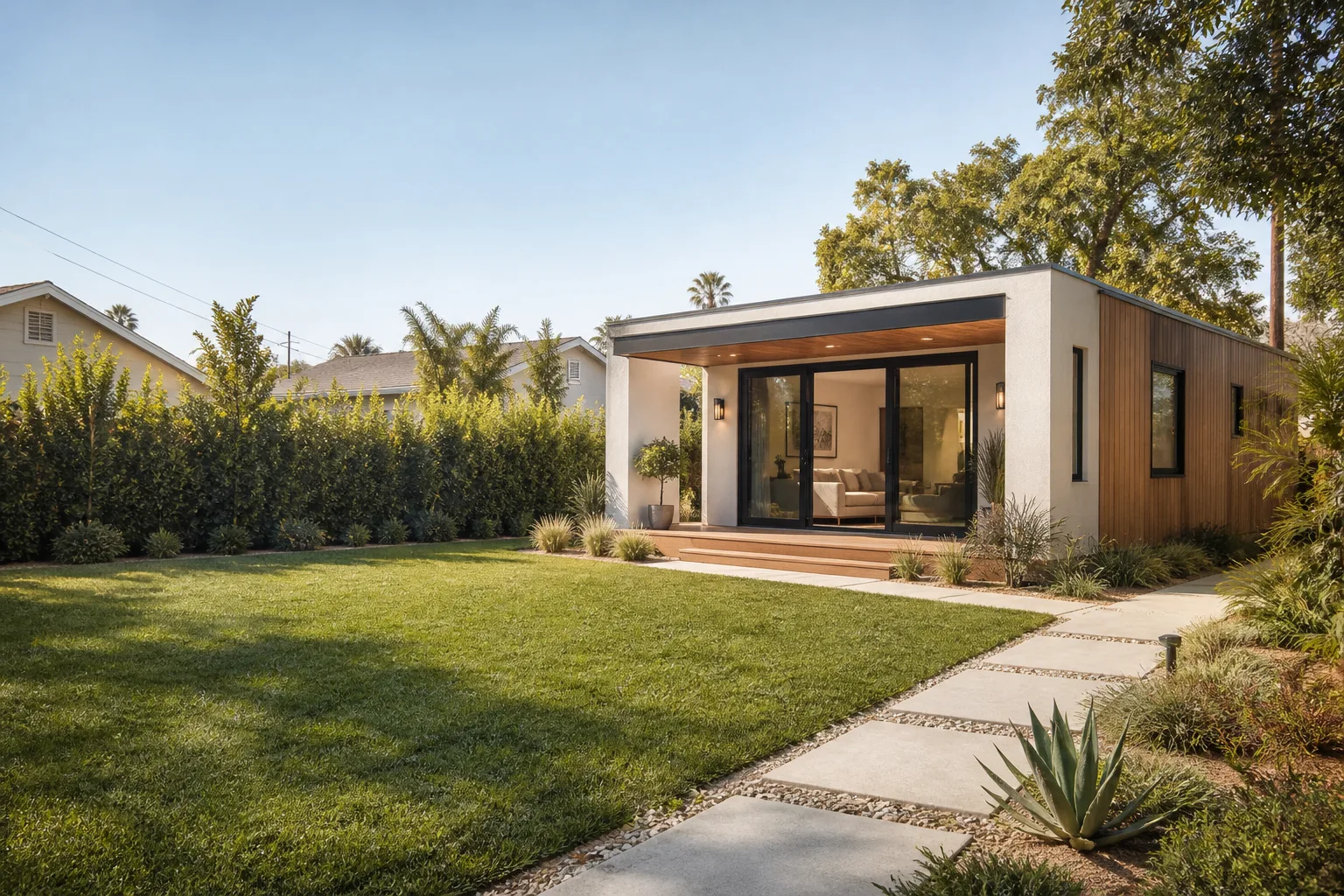
We stock and install James Hardie-compatible siding, trim, and weather-barrier components for new detached ADUs in Long Beach, with most partial siding or trim repairs running $900 – $4,200 installed depending on scope and elevation access. If you’re planning a full cladding package for a new build, the Hardie material alone typically lands between $9 and $14 per square foot before labor. Homeowners usually find us after a corner trim board has wicked moisture, a bottom course of lap siding has begun to soften, or a contractor walked away mid-install and left the envelope exposed. The good news: we carry the common profiles on the truck and can usually quote the same day.
One honest note before we go further: Sutton ADU Long Beach is an independent ADU contractor, not a James Hardie company. We install their products because they hold up in Long Beach’s salt air and sun better than most alternatives, but nobody here is a corporate rep. We just know the material well enough to tell you what will fail and what won’t.
Which James Hardie Models This Applies To
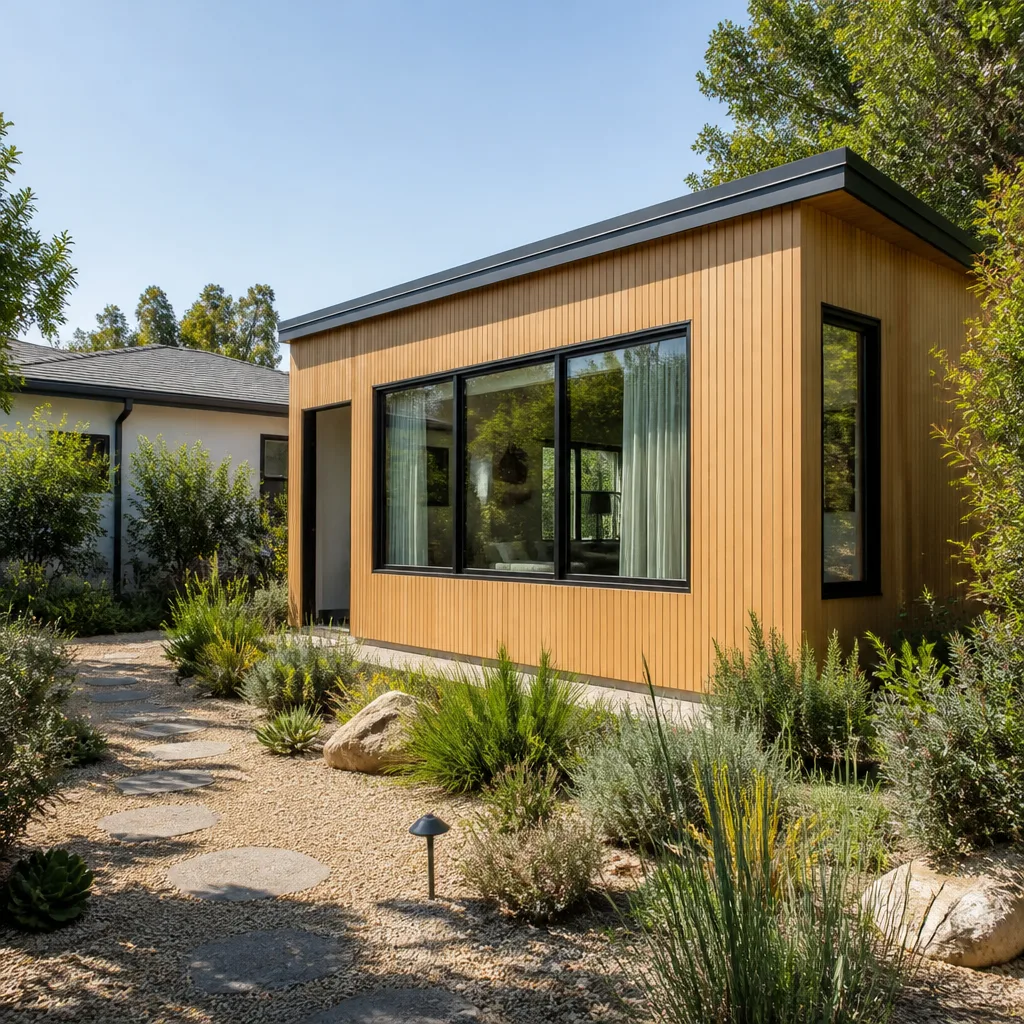
For detached ADU exteriors in Long Beach, the workhorse products we install are HardiePlank lap siding (5.25″ and 7.25″ exposure), HardiePanel vertical siding (4×8 and 4×10 sheets), HardieTrim boards (1×4, 1×6, and 4/4), and HardieSoffit. All of these are fiber cement, not wood or vinyl, which changes how they fail and how you fix them. The part that wears first on a new detached ADU is almost always the trim around windows and door openings, especially on the west-facing walls that take the afternoon sun off the Pacific.
Here’s the compatibility gotcha every owner needs to know: HardieTrim dimensions are true dimensions, not nominal. A Hardie “1×6″ trim board is actually 0.75″ x 5.5”. If you or a previous installer mixed in a cedar 1×6 from the lumberyard, it measures 0.75″ x 5.5″ in most cases, but the profile edges and butt joints don’t match Hardie’s shiplap or smooth finish the same way. When we repair a mixed-material corner, we often find the seam opened up because the two products expand at different rates. Long Beach’s temperature swings aren’t dramatic, but the humidity cycle near the coast still creates movement. Keep the entire exterior in one product family, or know that you’re accepting a maintenance seam.
As for OEM versus aftermarket: James Hardie doesn’t really have an “OEM” part market the way appliance brands do. The material is the material. What matters is that you’re getting genuine Hardie product, not a generic fiber cement board from a different manufacturer. The generic stuff is thinner, chalkier, and doesn’t carry the same 30-year limited transferable product warranty. We install genuine Hardie product and we see the difference when a panel gets yanked off after five years to run a vent line. The cheap board crumbles at the fasteners. Hardie doesn’t.
Signs Your James Hardie New Detached ADU Is Failing
- Bottom course of lap siding is swelling or soft within 6 inches of grade. In Long Beach, this usually means the siding was buried in soil or mulch, or the starter strip flashed wrong. Fiber cement wicks moisture like a sponge at the cut edge, and once it swells, the board is done. This is the most common failure we correct on new ADUs, especially on the clay-heavy lots in Bixby Knolls and Naples where water sits longer after rain.
- Corner trim boards pulling away at the miter joints. The sun exposure on a west or south-facing corner will dry out the caulking and open the joint. Water gets behind the board, the fasteners rust, and the board loosens. When you press on it and it moves, the seal is gone.
- Hairline cracks radiating from fastener heads on a vertical HardiePanel wall. That means the installer drove the nails or screws too deep or used the wrong fastener. Fiber cement needs the right head profile and correct depth. A cracked panel doesn’t just look bad; it’s an open path for moisture into your wall cavity.
- Efflorescence, white chalky streaks below window sills. This is mineral deposit from water running behind the siding. It means the flashing under the window or at the sill wasn’t layered properly. The board may still look fine from the street, but the framing behind it is slowly getting wet. The longer it runs, the more expensive the repair.
- Caulk cracking or shrinking around trim and penetrations less than a year after install. In coastal air, cheap painter’s caulk fails fast. Hardie requires a high-quality elastomeric or polyurethane sealant at joints. If your installer used the $4 tube from a big box store, you’ll see shrinkage and gaps before your first year in the ADU is up.
Replacement Cost & What’s Included
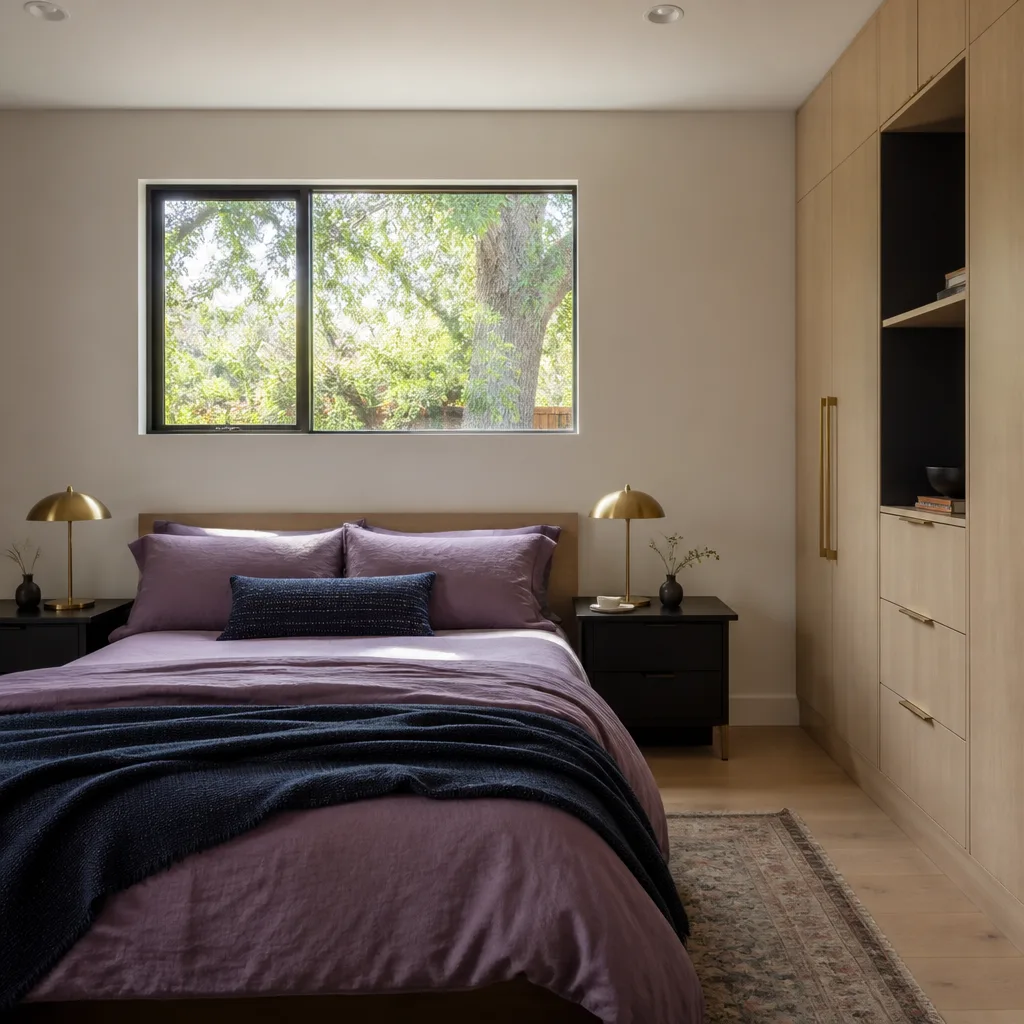
Most Long Beach homeowners spend between $900 and $4,200 for a James Hardie siding or trim repair on a detached ADU. A single corner trim replacement with proper flashing usually runs $900 – $1,700. Replacing the bottom two courses of lap siding on one wall runs $1,400 – $2,800. A full re-clad of a small ADU exterior, including tear-off, weather barrier, new HardiePlank or HardiePanel, trim, and painting, typically lands between $18,000 and $36,000 depending on square footage, height, and access.
What drives the price is access more than material. A single-story ADU with clear walk-around space is the cheap scenario. A two-story build or an ADU with only 3 feet of side-yard clearance adds scaffold time and labor. We write the price before we start, and it includes the tear-out, disposal, new flashing and weather barrier at the repair zone, the Hardie product, fasteners, sealant, and touch-up paint matched to your existing color. The 365-Day Done Right Promise covers the workmanship for one full year. If a seam opens up or a board fails within that window, we come back and make it right. No invoice, no back-and-forth.
DIY or Call Us?
Fiber cement is not dangerous to handle the way a garage-door spring is, so if you’re a careful weekend builder, there are a few things you can safely check before calling anyone. You can inspect the bottom edge of your siding for ground contact. You can recaulk a cracked seam. You can clear soil or mulch away from the bottom course. Those are legitimate homeowner jobs.
What you shouldn’t do is attempt to pull and replace a damaged board without knowing what’s behind it. Cutting into an exterior wall on an occupied ADU means you’re suddenly handling weather barrier details, flashing layers, and possibly uncovering rot in the sheathing that needs to be addressed before the new board goes on. Fiber cement also requires carbide-tipped blades and proper dust control; the silica dust is a genuine respiratory hazard. If the damage is more than a cosmetic caulk line, call us at (562) 317-7042 and we’ll give you a free estimate with a written price before any work starts.
FAQs
Genuine HardiePlank and HardiePanel carry a 30-year limited transferable product warranty, and in Long Beach’s climate, you can realistically expect 25 to 35 years of service from the siding itself. The caveat is installation quality and maintenance. Failed flashing, buried bottom edges, and unsealed cuts can rot the framing behind the siding long before the board itself gives out. The material doesn’t fail as often as the details around it do.
Small cracks and corner chips can sometimes be patched with a fiber cement patch compound and repainted, but a swollen, soft, or water-damaged board cannot be saved. Fiber cement is a porous cement product once the factory finish is compromised; once moisture gets inside the board and it swells, it loses structural integrity. If the damage is limited to a crack under 2 inches with no swelling, a patch is reasonable. If the board plates but still holds its dimensions, you’re in replace territory.
Most single-board or corner-trim replacements on a Long Beach detached ADU are a one-day job. A bottom-course replacement on one wall is usually a single day as well, start to finish. The variable is paint curing in the marine layer, which can slow the touch-up step if the humidity is high. A full re-clad of an entire ADU exterior runs one to two weeks depending on scaffold access and the weather. We give you the timeline in the written quote before you sign anything. Know what you’re agreeing to before you pick up the pen.
We stock the common profiles that cover 90 percent of the ADUs we see in Long Beach: 5.25″ and 7.25″ HardiePlank smooth and cedar-textured, HardiePanel in 4×8 and 4×10, HardieTrim in 1×4 and 1×6 smooth, and HardieSoffit vented panels. We also carry the matching painted trim and the color-matched touch-up paint for the current line of Hardie colors. If you have an unusual profile, we can order it from our supplier, usually within three to five business days. We also work with ADU product lines like Abodu, Cover, and Dvele, so if your prefab build used Hardie cladding, we know how those envelope details were assembled and can match the product. Call (562) 317-7042 and we’ll tell you over the phone whether we have your profile sitting on the rack or need to order it.
Written by Miles Hartwell, Owner, Sutton ADU Long Beach at Sutton ADU Long Beach, serving Long Beach and nearby areas.