James Hardie Garage Conversion ADU: The Long Beach Owner’s Guide
We stock and install James Hardie-compatible siding, trim, and flashing for garage conversion ADUs throughout Long Beach, with most panel and trim replacement jobs running $1,400 to $3,800 installed depending on the size of the failed section and what’s behind it. We carry HardiePlank lap siding, HardiePanel vertical siding, HardieTrim boards, and the flashing and joint treatment products that go with them, so most Long Beach jobs are one visit, not a two-week waiting game. The call usually starts the same way: a homeowner notices paint peeling at the bottom edge of a panel, a corner trim board that’s started to crumble, or a soft spot where the garage slab meets the first course of siding.
Here’s the thing about James Hardie products: they fail slowly, then suddenly. Fiber cement doesn’t rot like wood, but it will wick moisture if installed too close to grade or if the original flashing was done wrong. In Long Beach, where morning marine layer gives way to afternoon sun, that moisture cycle is relentless. By the time you see it, the damage behind the panel is usually worse than the panel itself.
Which James Hardie Models This Applies To
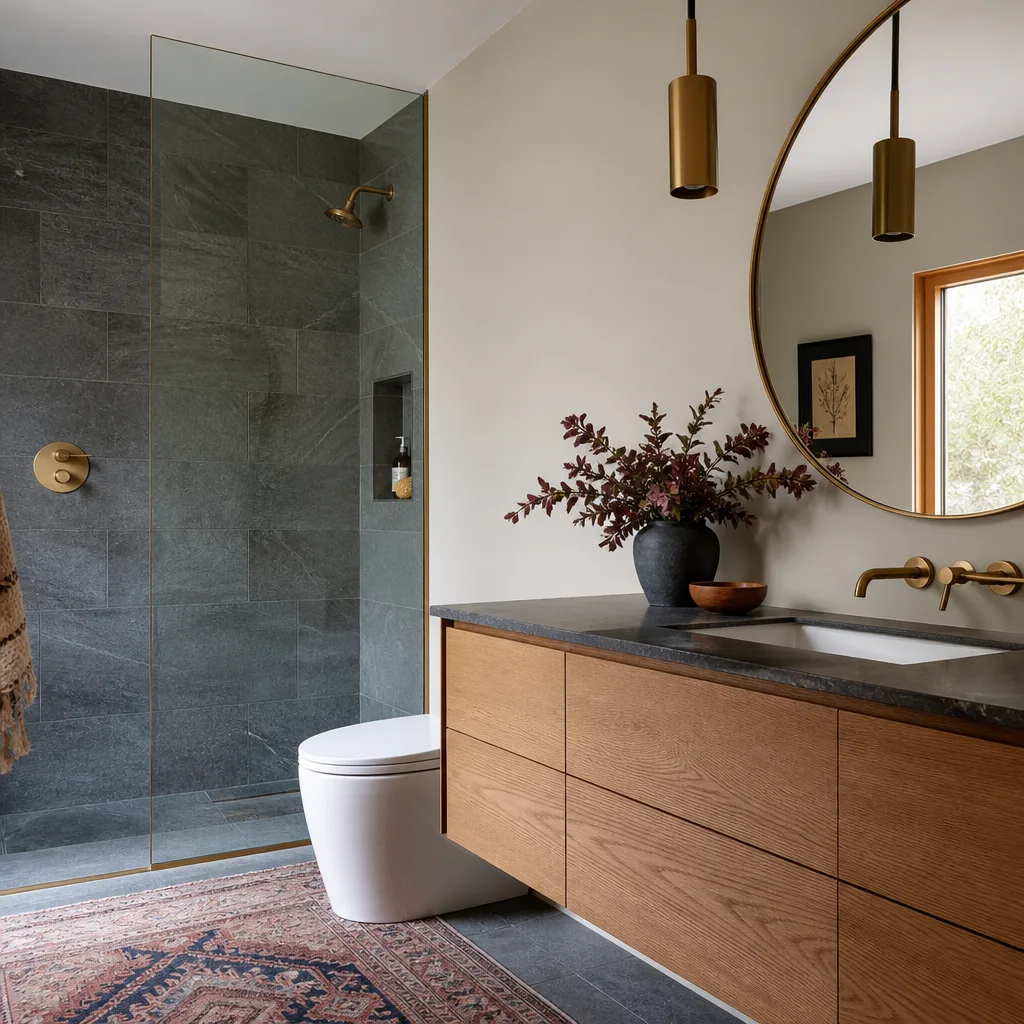
Your garage conversion ADU in Long Beach likely wears one of three James Hardie product lines: HardiePlank lap siding (the horizontal boards, typically 5/16″ thick, in 4″, 5″, or 7″ exposures), HardiePanel vertical siding (4′ x 8′ or 4′ x 10′ sheets, often used on the garage wall that faces the alley), or HardieTrim (the 5/4″ and 4/4″ boards around windows, corners, and the bottom course). Each has its own fastening schedule, clearance requirements, and compatibility quirks. HardiePlank from 2006 and earlier used a different edge profile than current stock, which matters when you’re replacing three boards in the middle of a wall and want them to sit flush.
For most Long Beach garage conversions built after 2010, the reliable move is sticking with OEM James Hardie product. The color, texture, and edge profile match what’s already on the wall, and the 30-year limited transferable product warranty stays intact. Aftermarket fiber cement exists and runs about 15% cheaper, but the color match is never exact after a few years of Long Beach sun, and mixing brands on one wall creates visible seams. We’ll always quote OEM first, then offer aftermarket as a line item if you want the comparison. One compatibility gotcha we see often: HardiePanel sheets manufactured before 2015 were 5/16″ thick. Current stock is 7/16″ at the panel edge. If you’re replacing a single sheet on an older garage conversion, the new panel will sit proud of its neighbors unless we shim or mill the edge, which adds about an hour of labor. That’s the kind of detail that never shows up in an online tutorial but makes the difference between a repair that disappears and one you see every time you pull into the alley.
Signs Your James Hardie Garage Conversion ADU Is Failing
- Peeling or bubbling paint at the bottom 6 inches of any panel. This is almost always moisture wicking from below. In Long Beach, the culprit is usually a slab that was poured without enough clearance for the siding, or missing Z-flashing where a new wall meets the old garage stem wall.
- Crumbling or swollen HardieTrim at outside corners. Corner boards take the brunt of both sun and any water running down the wall. Once the edges soften, the board is past caulking and patching. It’s a replacement job.
- Visible cracks at fastener heads. James Hardie products must be nailed at specific intervals with specific fasteners. If the original builder used drywall screws or nailed too close to panel edges, the board will eventually crack outward from the fastener. This is a structural failure, not a cosmetic one.
- Gaps appearing at panel joints after rain. Fiber cement expands and contracts with temperature. In Long Beach, the swing between a 50-degree winter morning and a 90-degree Santa Ana day is enough to open unsealed joints. Once a gap grows past 1/8″, water is getting behind the siding.
- Soft wall feel when you press below a window. This usually means the window flashing was never tied into the wall’s drainage plane. Water has been running behind the HardiePanel for years and the sheathing behind it is now compromised. You’ll often hear a dull thud instead of a sharp knock.
Replacement Cost & What’s Included
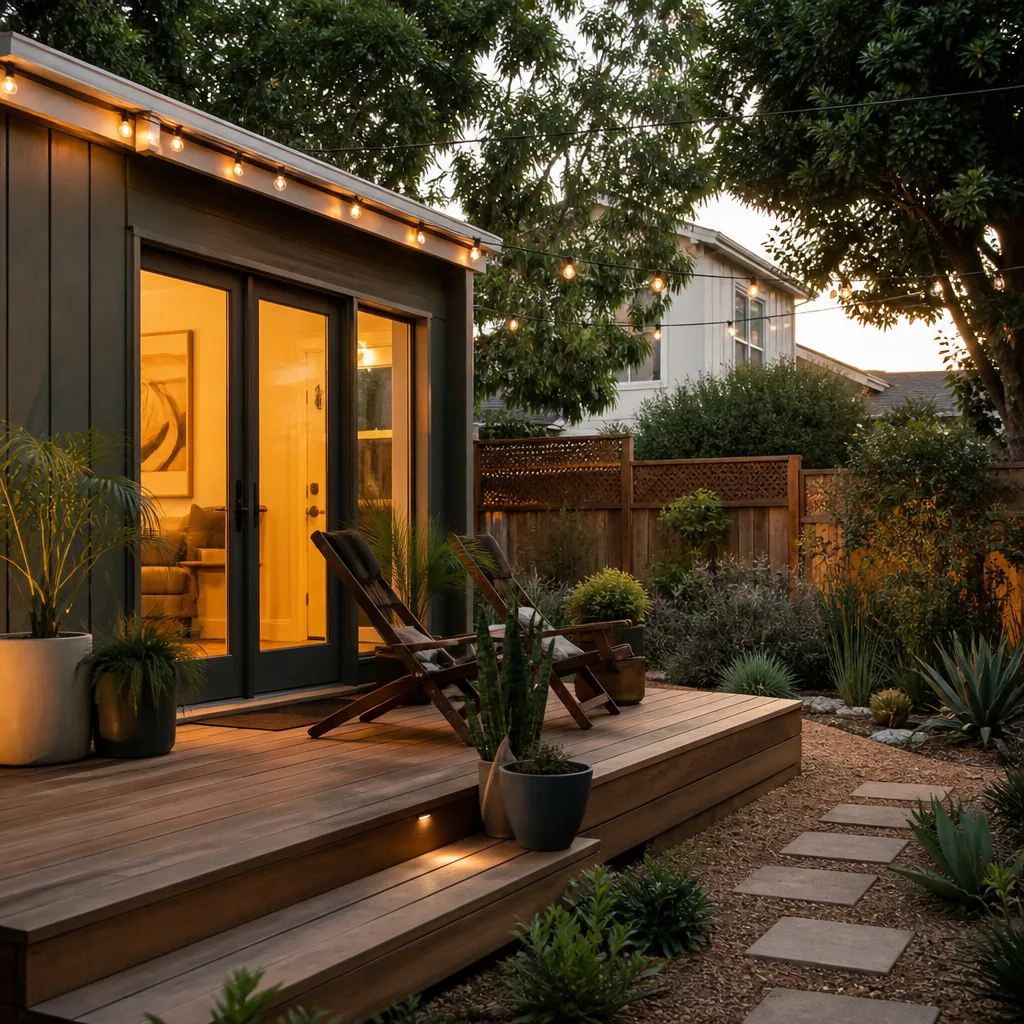
In Long Beach, expect to pay between $1,400 and $3,800 for a typical James Hardie siding or trim replacement on a garage conversion ADU. The spread comes down to three things: how much product is coming off, what’s hiding behind it, and whether we’re matching existing paint or repainting the entire wall. A single HardieTrim board swap runs $350 to $700 installed. Replacing three to four lap siding boards with flashing repair runs $1,200 to $2,500. A full HardiePanel wall with sheathing replacement and new flashing runs $2,800 to $5,500 depending on the wall size and whether the old garage framing needs sistering.
Every quote is a written line item: parts at actual cost, labor separated out, disposal fees, and paint or caulk if the job calls for it. You’ll see the price before we lift a tool, and that price doesn’t move unless we both agree in writing that something behind the wall changes the scope. We hold every James Hardie replacement to the 365-Day Done Right Promise: if the repair fails within a full calendar year, we come back and make it right at no charge. No haggling, no “that’s a different issue” talk. If we touched it and it failed, it’s on us.
DIY or Call Us?
You can safely handle one thing on a James Hardie garage conversion ADU: visual monitoring. Walk the perimeter every spring, check the bottom 6 inches of every panel, press on anything that looks swollen, and mark any cracking in the caulk lines. That’s real maintenance and it’ll catch failures early. What you shouldn’t do is pull a panel off the wall to see what’s behind it. Fiber cement shears are required for cuts, the dust needs proper respiratory protection, and once a panel comes off a Long Beach garage conversion, you’ve now got an open wall in a salt-air environment. If it rains before you get it closed up, the repair cost triples.
The other reason to call: we already stock 8-1/4″, 6-1/4″, and 5-1/4″ HardiePlank in the common colorways, HardieTrim boards in 12′ lengths, plus the flashing specs the original build should have used. If you’re tired of looking at a failing wall on your garage conversion, call (562) 317-7042. A live person picks up, we’ll ask for a few measurements and photos, and you’ll have a written estimate in hand before anyone sets foot on your property.
FAQs
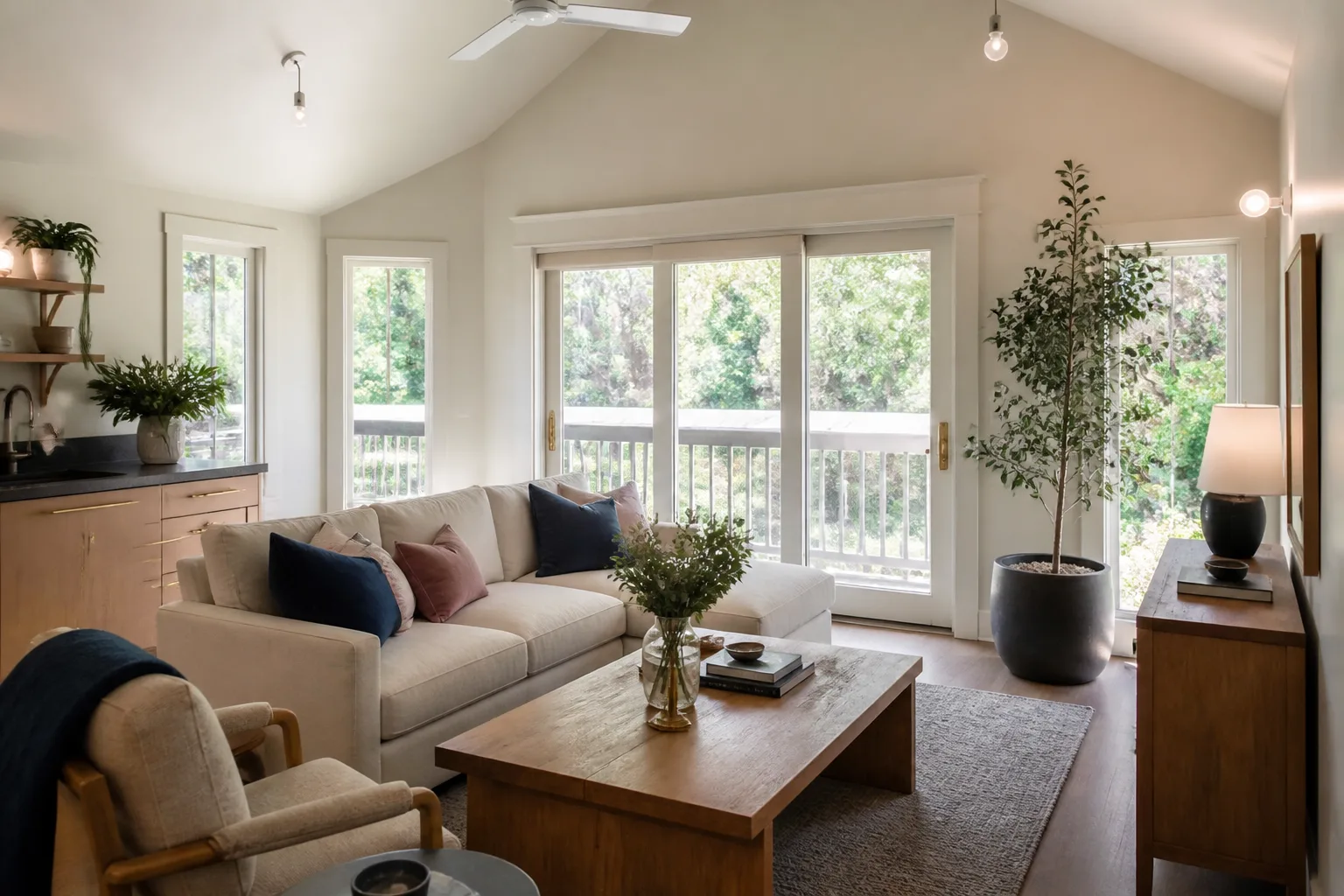
In Long Beach’s coastal climate, expect 25 to 35 years from properly installed James Hardie lap siding or panels before you’re replacing sections, not whole walls. The failure point is almost always installation-related flashing or clearance, not the fiber cement itself. Siding installed too close to grade, missing Z-flashing, or nailed incorrectly will show problems in 5 to 8 years. If your garage conversion is less than a decade old and already showing bottom-edge damage, the original builder cut corners somewhere. Call (562) 317-7042 and we’ll tell you exactly what we’re looking at before quoting the fix.
Small cracks in trim boards can sometimes be filled and repainted if the underlying board is still sound, but once fiber cement swells or crumbles at an edge, replacement is the only option that holds. The material absorbs moisture like a sponge once its outer surface is compromised, and fillers will pop out within a season in Long Beach’s wet-dry cycles. If we can genuinely repair a board and save you money, we’ll say so. If it’s a band-aid that’ll fail again next winter, we’ll say that too. Call (562) 317-7042 for an honest assessment.
Most single-wall siding replacements on a Long Beach garage conversion take one full day, start to finish. We arrive in the morning, pull the failed product, inspect and repair flashing, install new James Hardie material, caulk and prep the joints, and have the wall closed before evening. If we discover sheathing damage behind the siding, which happens on maybe one in three older garage conversions here, the job extends to two days to allow for proper dry-in. You’ll know before the work starts what the timeline looks like.
We keep common James Hardie replacement product on the truck: 5-1/4″ and 6-1/4″ HardiePlank in the three most common Long Beach colorways, HardieTrim in standard widths, flashing, fasteners, and joint treatment. If your garage conversion uses an uncommon texture or a discontinued color, we source OEM product from local suppliers, which typically adds one to two business days. You’ll know before your estimate if there’s any wait time involved. Call (562) 317-7042 to check availability for your specific wall.
Written by Miles Hartwell, Owner, Sutton ADU Long Beach at Sutton ADU Long Beach, serving Long Beach and nearby areas.