Abodu Home Addition Contractor in Long Beach: What to Know First
As an independent Abodu home addition contractor in Long Beach, we handle the site work, foundations, utility connections, and structural integration that turn a prefabricated Abodu unit into a permitted, permanent addition to your property. Most Abodu additions in Long Beach take 4 to 7 months from the day we start site preparation to final inspection, depending on what your lot throws at us. You should expect to pay $210,000 to $380,000 all-in for a one-bedroom Abodu unit, including site work, foundation, utility connections, and the unit itself.
This page is for Long Beach homeowners who already own or are seriously considering an Abodu unit and need a contractor who understands how these specific prefab structures behave on Southern California lots. We’ve built additions around Abodu units in Belmont Shore, Bixby Knolls, Los Altos, and Naples, and we’ve learned exactly where these projects go wrong when a general contractor treats them like a conventional stick-built addition. Call (562) 317-7042 and ask for Miles. We’ll tell you straight what your lot can handle.
How Abodu Products Fail – and How We Fix Them
Abodu builds a solid product, but no prefab unit is immune to site-specific problems. Here’s what we actually see in Long Beach, and what we do about it:
- Foundation settlement at the marriage line. Abodu units arrive as modules that get joined on site. On Long Beach’s expansive clay soils, especially in older neighborhoods like Zaferia and Wrigley, we see the two halves settle at slightly different rates. You’ll notice a hairline crack running vertically where the modules meet, or a door that starts sticking on one side. The fix usually involves slab jacking or pier adjustment under the low side, then cosmetic repair at the joint. We catch this during our site evaluation before the unit ever lands, which is why we core-sample the soil on every Abodu job.
- Undersized tie-downs for coastal wind zones. Abodu’s standard connection details work fine inland, but Long Beach sits in a wind exposure zone that requires supplemental strapping at the roof-to-wall connection on exposed lots. We’ve seen lifted fascia and creased roof panels on units near the water in Belmont Shore and the Peninsula where the factory tie-down spacing wasn’t enough. We add certified Simpson Strong-Tie hardware at tighter intervals and document it for the inspector.
- Plumbing rough-in misalignment with the site stub-out. This is the most common Abodu-specific headache we fix. The unit’s plumbing drops are set at the factory, but Long Beach’s sewer lateral depths vary block to block, particularly in older areas with shallow lines. If the contractor doesn’t verify the invert elevation before setting the unit, you end up with a slow-draining shower or a toilet that needs the slab cut open. We shoot the lateral grade before we pour the foundation, and we adjust the stub-out location to match the unit, not the other way around.
- Stucco cracking at the module joint from thermal movement. The Series 1 and Series 2 Abodu lines both use fiber cement siding with taped and floated joints. Long Beach’s temperature swings between morning marine layer and afternoon sun cause enough expansion that we see joint cracks within 18 months on units where the installer used the factory-recommended filler instead of a high-flexibility sealant matched to our climate. We strip the joint, back it with closed-cell foam, and re-float it with a product that actually moves with the panels.
- Penetration flashing failures around the mechanical chase. Where the minisplit lineset, conduit, and vent pipes exit the roof, Abodu uses a standard boot system. On Long Beach roofs that face southwest, the UV exposure eats those boots faster than anywhere else in the unit. The leak usually shows up as a water stain on the ceiling near the closet, not near the chase itself, because water travels the underside of the roof deck before it drops. We replace the boots with EPDM units rated for coastal UV and add a secondary kick-out flashing at the eave as cheap insurance.
Our Abodu Home Addition Contractor Process
Know what you’re agreeing to before you pick up the pen. That’s the rule we build around, so here’s exactly how an Abodu addition with us goes from first call to final walkthrough:
- 1
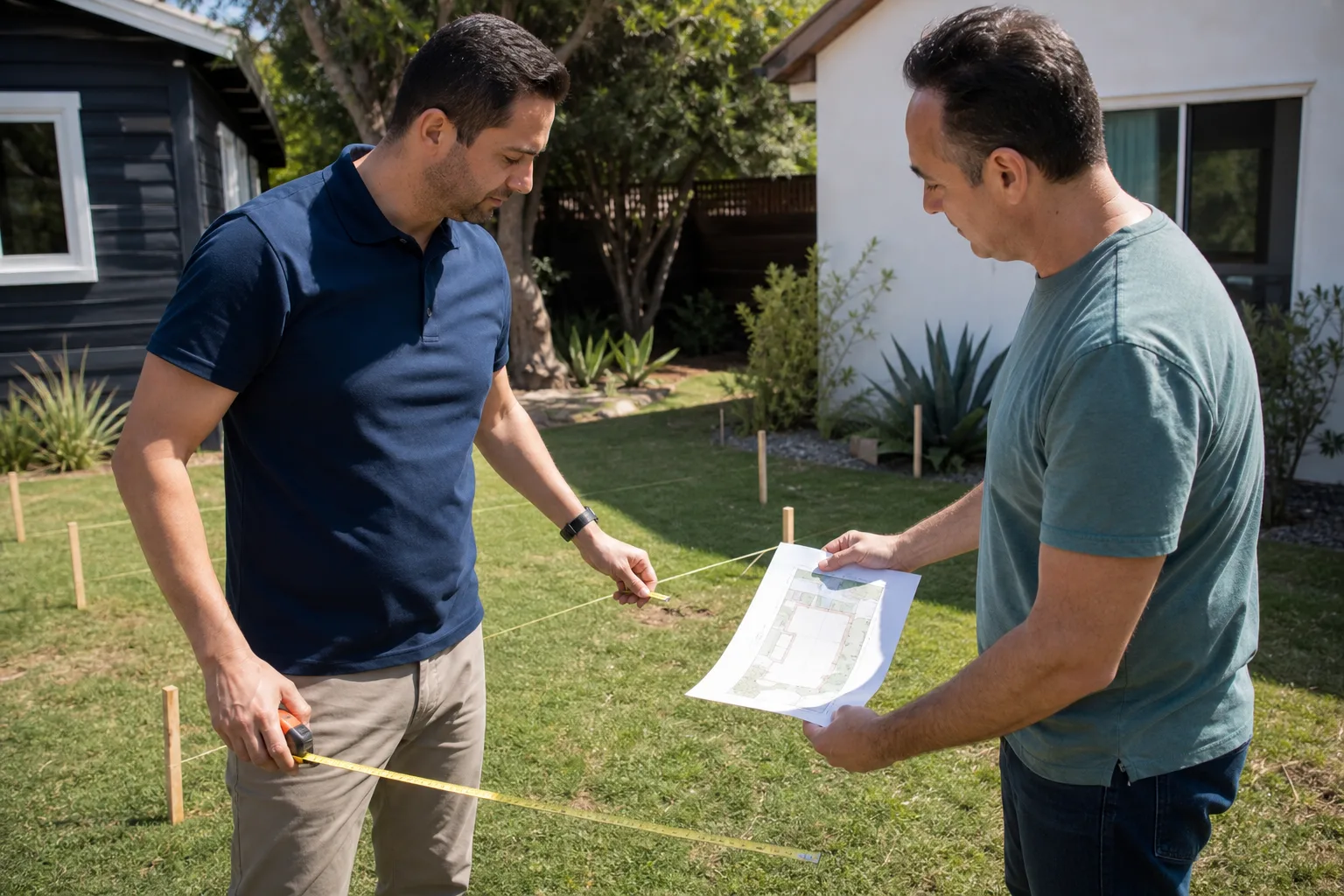
Site walk and feasibility conversation. We walk your lot together. We’re looking at access for the crane or trailer, overhead wires, tree preservation zones, and where the sewer lateral actually runs. You’ll get a plain-language assessment of what’s buildable and what’s going to cost extra. No charge for this.
- 2
Soil and utility verification. We core-sample the soil and camera the sewer line. This is where we catch the expensive surprises before they’re surprises. In Long Beach, this step saves an average of $8,000 to ol5,000 in mid-project change orders.
- 3
Written price, locked. You get a line-item price covering site work, foundation, utility connections, unit installation coordination, and all required permits. The price we put in writing is the price you pay. If something changes, we discuss it with you first and you sign off before we spend a dollar more.
- 4
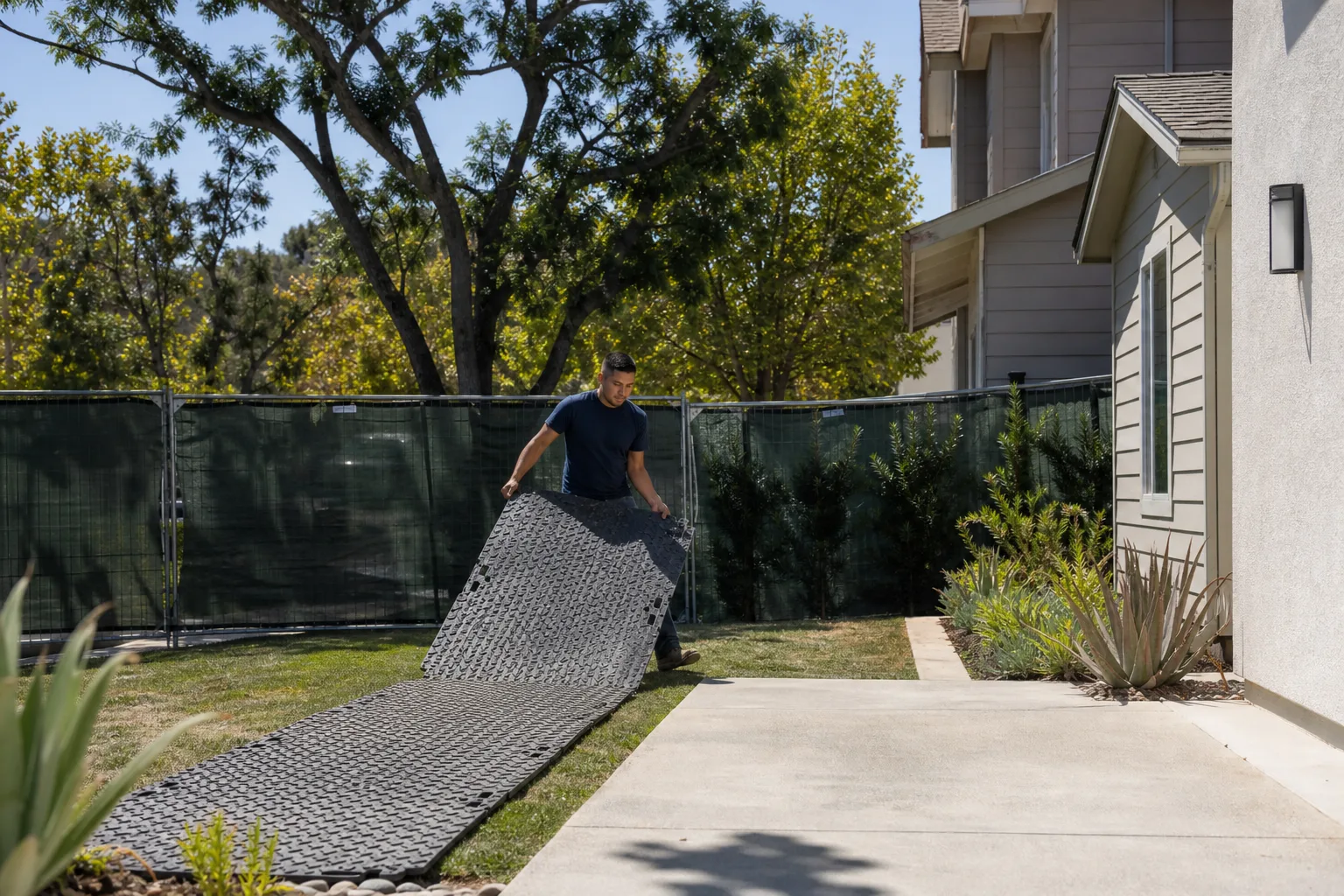
Site work and foundation. We handle demolition if there’s an old garage coming down, then excavate, form, and pour. We coordinate directly with Abodu’s delivery team so the unit arrives on a site that’s actually ready for it, not the other way around.
- 5
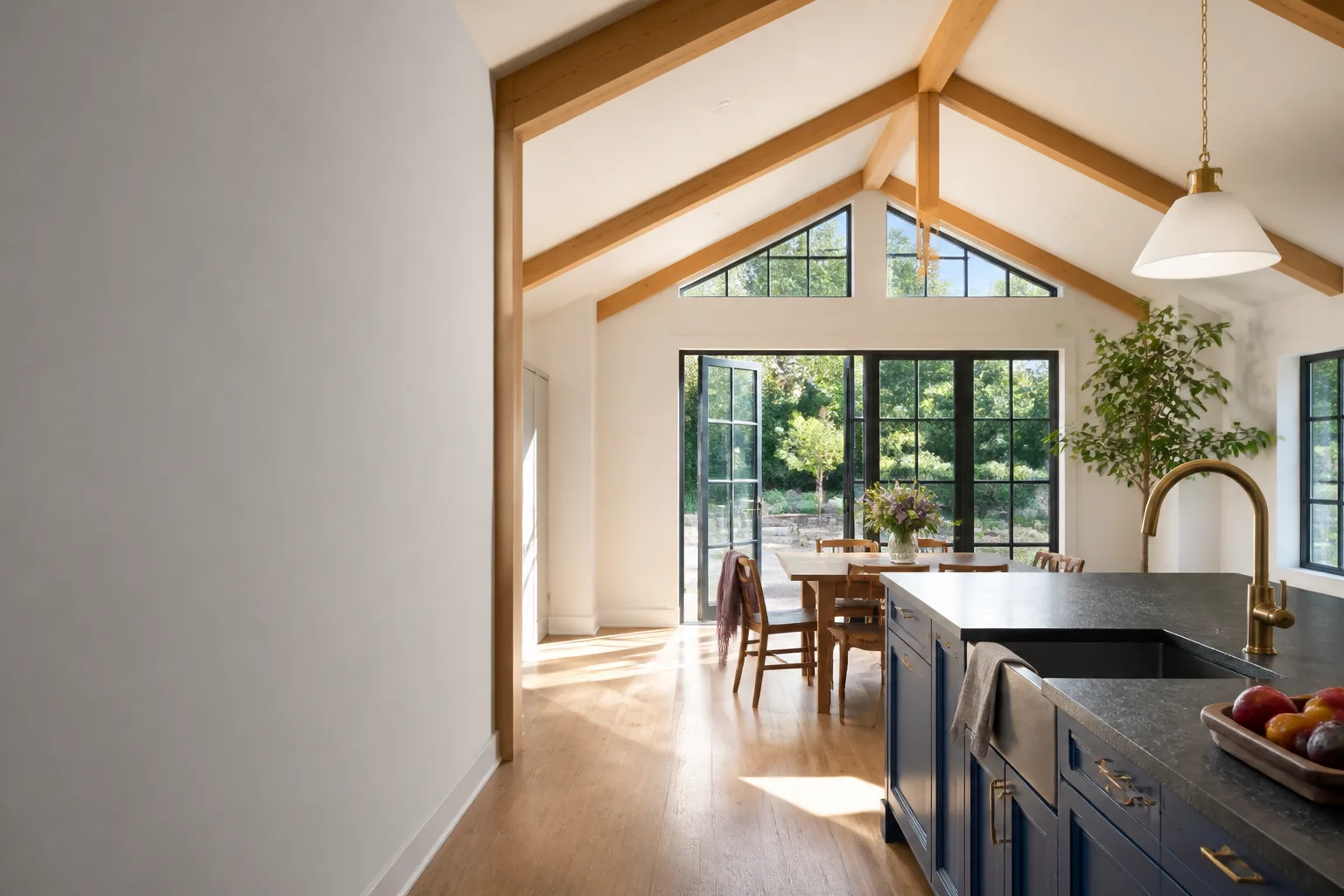
Unit set and integration. We’re on site the day the modules arrive. We manage the crane or trailer placement, the set, the marriage line connection, and all utility tie-ins. Then we handle the exterior cladding, the deck or step transitions, and the finish details that make the unit look like it was always part of the property.
- 6
Final inspection and walkthrough. We walk the addition with you and a printed checklist. Defects get noted and corrected before you sign off. Then the 365-Day Done Right Promise kicks in, in writing, for a full year.
What Abodu Home Addition Contractor Costs in Long Beach
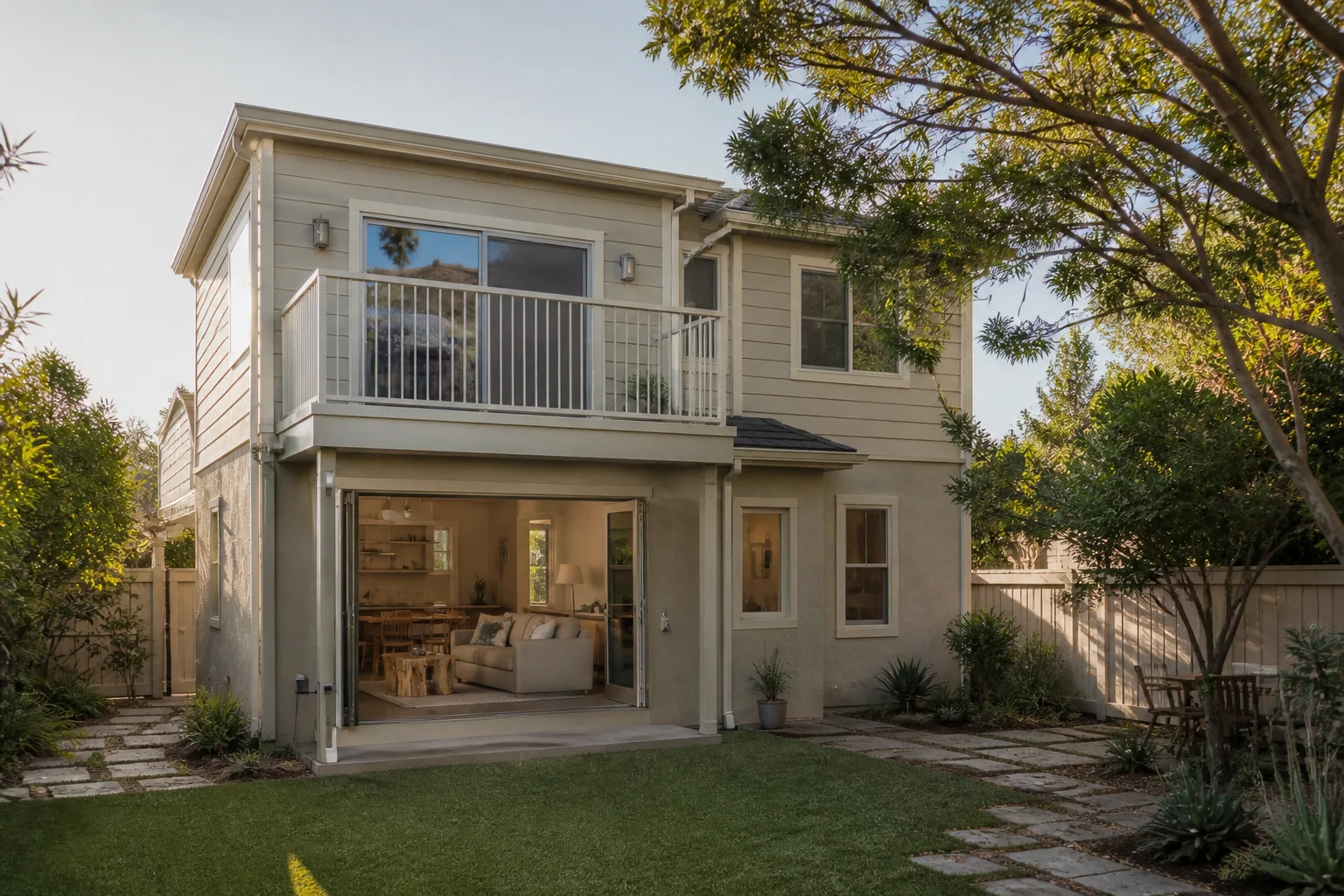
Here’s what we tell homeowners in Long Beach to budget, based on the Abodu models we’ve actually put in the ground:
- Abodu Series 1 (studio, roughly 300-400 sq ft): $180,000 to $240,000 all-in, including unit, site work, foundation, permits, and utilities.
- Abodu Series 2 (one-bedroom, roughly 400-550 sq ft): $210,000 to $310,000 all-in. This is the most common range we see in Belmont Shore and Bixby Knolls.
- Two-bedroom Abodu (roughly 600-750 sq ft): $280,000 to $380,000 all-in. The jump comes from panel count, crane time, and a larger foundation.
- Garage conversion using an Abodu unit as a replacement structure: add $15,000 to $30,000 for demolition and debris removal, depending on whether the old garage has asbestos siding or a slab that needs to come out.
What moves the price most in Long Beach: soil conditions, sewer lateral depth, access for the delivery truck or crane, and whether your existing electrical panel has capacity or needs an upgrade. Call (562) 317-7042 for a free site walk and a written price. No vague ranges, no “we’ll see how it goes.”
Why Long Beach Homeowners Call Sutton ADU Long Beach for Abodu Work
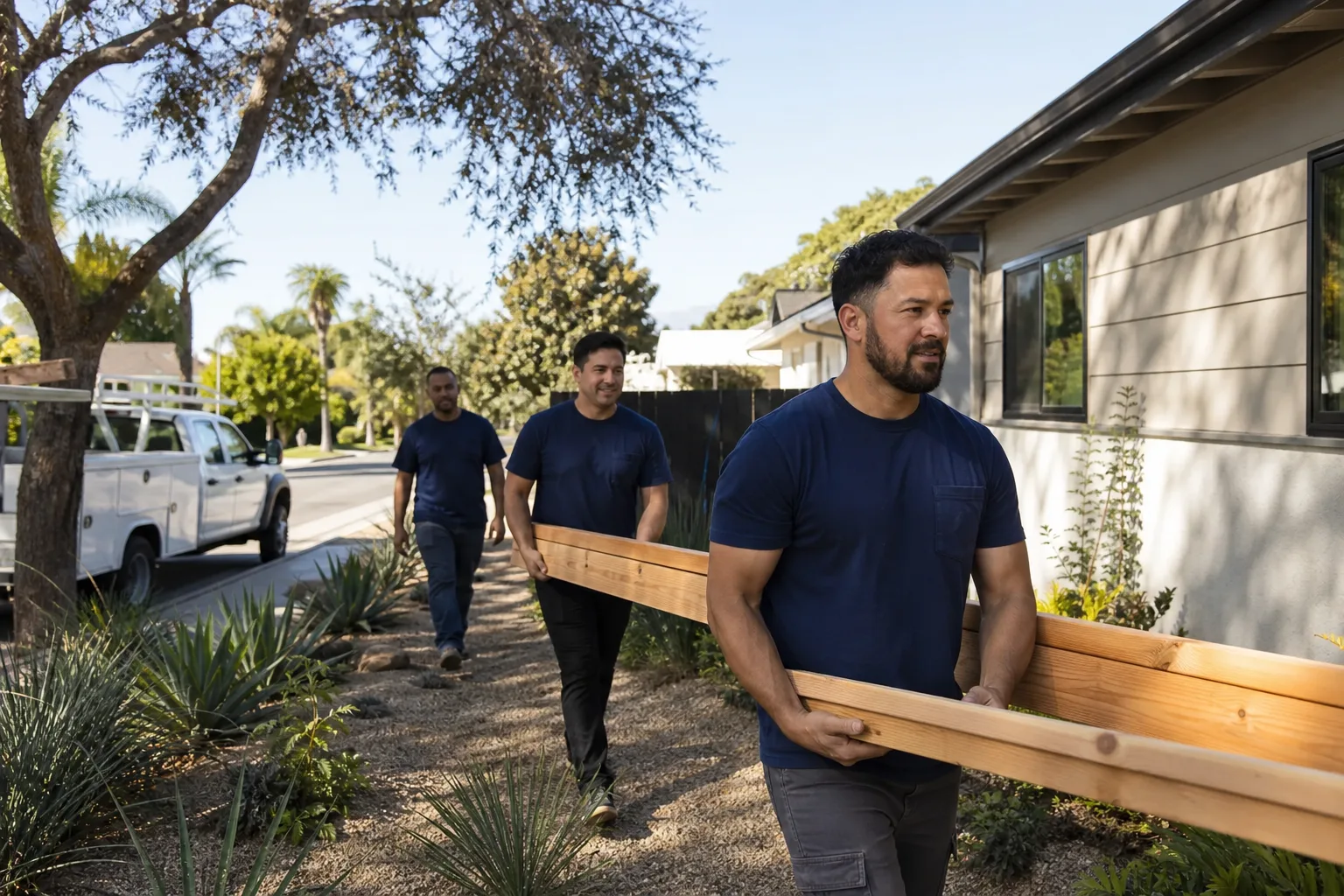
Every Sutton ADU Long Beach technician operates under the Threshold Standard. That means your crew has been background-checked, identity-verified, and photo-badged before they ever step onto your property. Before the work starts, you receive the name and photo of every person who will be on your lot. When they arrive, they’re in a clean, marked uniform, and they’ll show you their ID at the door. We started doing this because adding square footage to your home is a deeply personal decision, and you should never have to wonder who’s walking up your driveway.
We also bring the 365-Day Done Right Promise, in writing, on every Abodu addition. If something in our workmanship fails within a full calendar year, we fix it. No haggling, no “that’s normal settling.” And if we have to come back, the second visit is free.
We work across multiple ADU brands, including Cover and Dvele, so we can give you an honest read on where Abodu fits your lot and budget compared to the alternatives. We’re not married to one product line, and we’ll tell you if another brand is genuinely a better fit. Miles Hartwell has been doing ADU work in Long Beach long enough to know that the cheapest way to build is rarely the cheapest way to own. Our job is to help you spend your money once.
FAQs
No. We are an independent Abodu service provider, not an authorized installer, and the unit’s factory warranty stays intact because we don’t modify the unit’s structural or MEP systems beyond what the manufacturer’s installation specifications call for. We coordinate with Abodu’s delivery team and follow their set requirements exactly.
Plan on 4 to 7 months from the day we start site preparation to the day you get your certificate of occupancy. The city of Long Beach’s permit review for ADUs typically runs 2 to 4 months, and we submit plans before we break ground. The site work, foundation, unit set, and finish work usually take 8 to 12 weeks once permits are in hand.
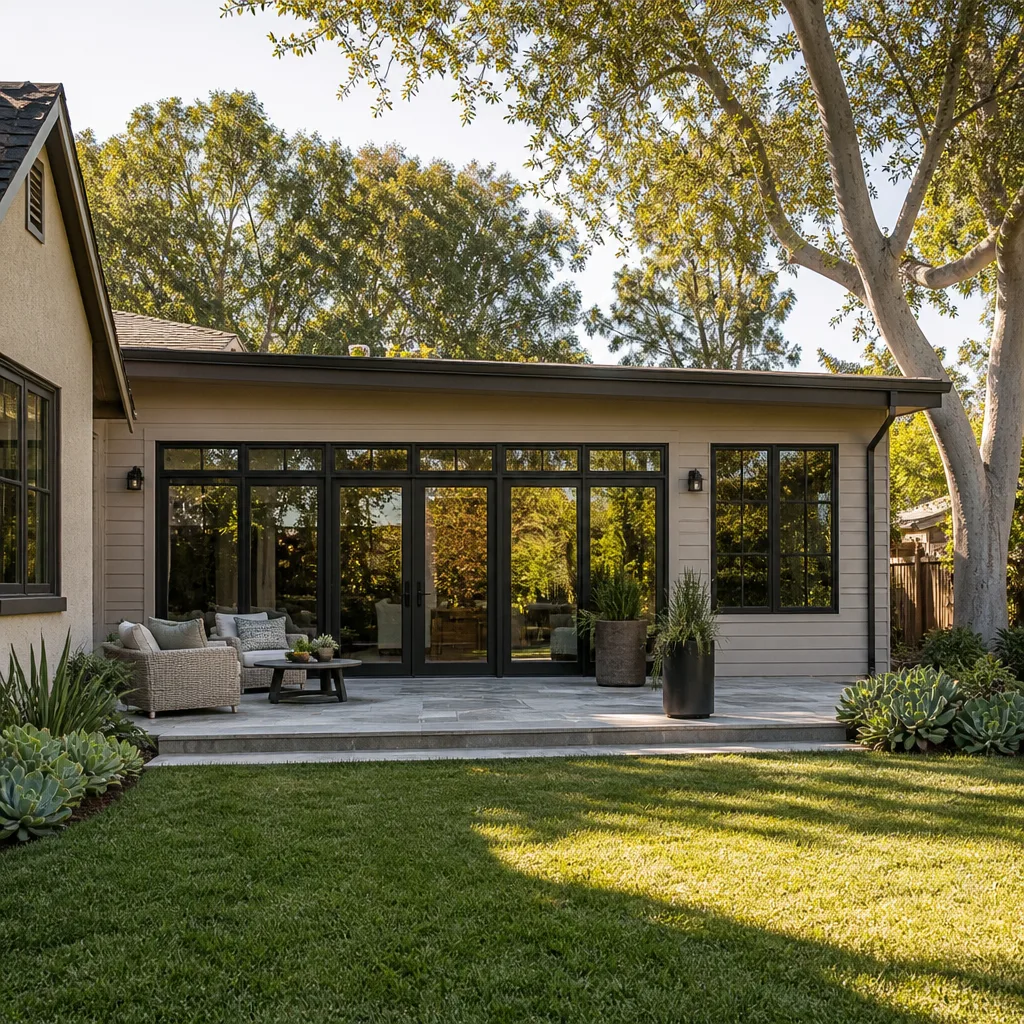
Yes. We do exterior integration on every Abodu job, which means paint matching, trim profiles, and deck or step transitions that make the new unit feel connected to your original house. In Long Beach, we also add coastal-grade sealants and flashings that the factory doesn’t include, because the marine air here is harder on materials than Abodu’s standard details assume.
Yes. We pull all required permits from the City of Long Beach, schedule inspections, and stand with you through the final sign-off. If a correction notice comes back, we handle the fix and the re-inspection at no additional cost to you.
Call us. The 365-Day Done Right Promise covers defects in workmanship for one full calendar year from project completion, in writing. If it’s our fault, we fix it at no charge. If a second visit is needed because something we did failed, that visit is free, no haggling. Call (562) 317-7042 and we’ll get it handled.
Written by Miles Hartwell, Owner, Sutton ADU Long Beach at Sutton ADU Long Beach, serving Long Beach and nearby areas.