Attached Garage Conversion in Long Beach, CA
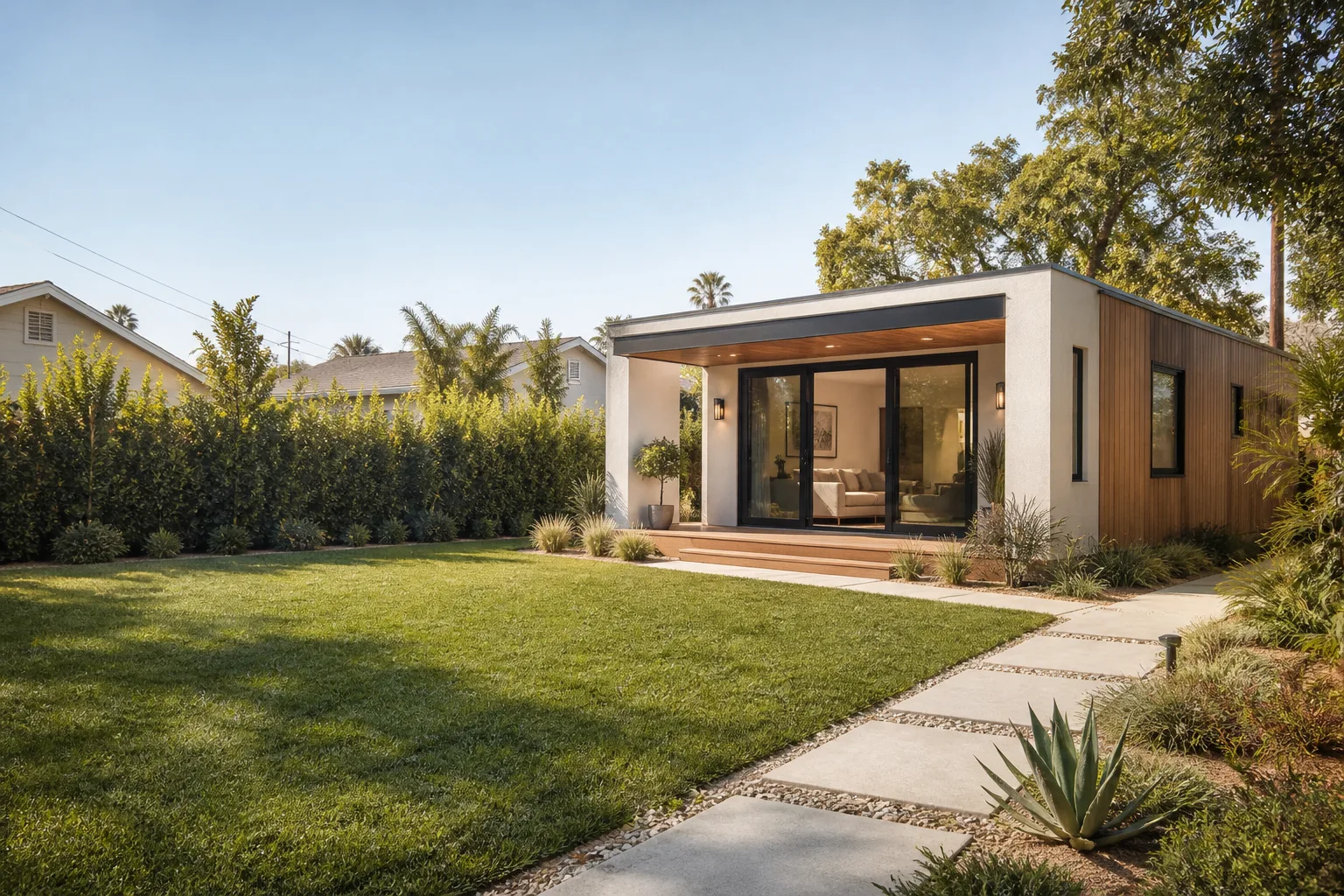
An attached garage conversion in Long Beach turns the garage that shares a wall with your house into a finished, permitted living space, typically a studio apartment, home office, or extra bedroom suite. Most attached conversions in Long Beach run $85,000 to $145,000 for a full build-out with a bathroom, and the job usually takes 10 to 14 weeks from permit submittal to final inspection. At Sutton ADU Long Beach, we handle the whole process under one written price and one written 365-Day Done Right Promise, so you know exactly what it costs and exactly who is showing up to build it. Call us at (562) 317-7042 for a free on-site estimate.
This page is part of our broader Garage Conversion ADU in Long Beach service. If you are weighing an attached conversion against a detached ADU or a room addition, that page walks through the full comparison. Here, we focus on the attached scenario specifically, because converting a garage that touches your house comes with its own set of fire-rating rules, structural tie-in questions, and cost trade-offs that a detached build does not.
We have been converting attached garages in Long Beach since 2006, working through the city’s planning and building departments on projects from Belmont Shore to Bixby Knolls. The name Sutton is an old English word for a south farm, and we picked it because adding a second home to your lot is exactly that kind of settled, rooted decision. You are not just adding square footage. You are changing how your property works for you for the next twenty years.
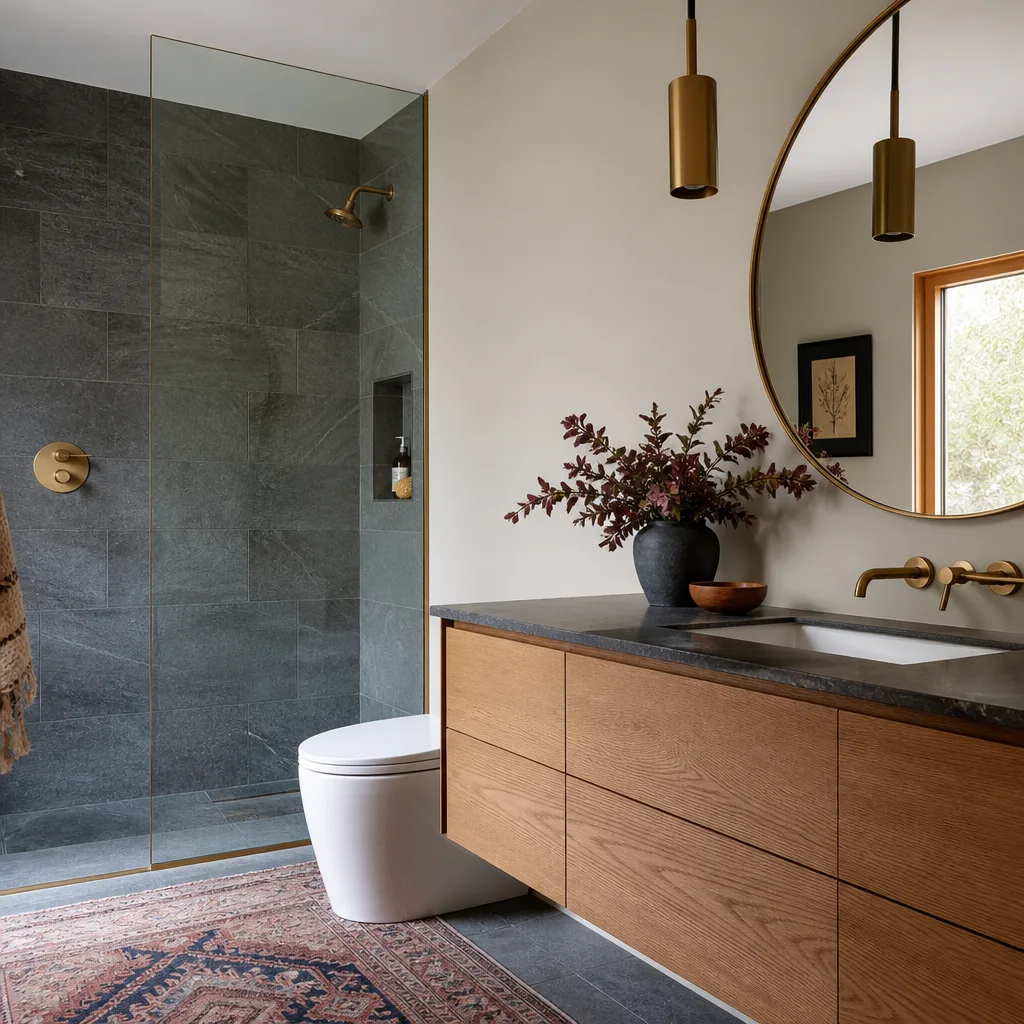
What an Attached Garage Conversion Actually Is
An attached garage conversion takes the existing garage that is structurally connected to your main house, typically sharing at least one wall and often a roof plane, and converts that volume into conditioned living space. Unlike a detached garage conversion, where the new unit stands alone, an attached conversion means the new space is governed by the same fire separation requirements as the rest of the house, and it often ties directly into the home’s existing electrical panel, water lines, and HVAC system. That connection is both the biggest advantage and the biggest technical challenge of this kind of project.
In Long Beach, most attached garages we see are either front-loading two-car garages on lots under 5,000 square feet or alley-loaded single-car garages in the older neighborhoods like Rose Park, Cambodia Town, and the Historic District. The front-loading ones usually convert best into a permitted junior ADU or a primary-bedroom suite. The alley-loaded ones often become a private studio with its own entrance from the alley, which works well for renters who want to come and go without walking through the main house.
When You Need Attached Garage Conversion
Here are the specific situations we see most often in Long Beach, with the symptoms homeowners describe when they first call us:
- Your garage has become a storage unit that costs you money. The cars are on the driveway, the garage is full, and you are effectively paying $400 to $600 per square foot of building cost for a room that holds cardboard boxes. That is the moment an attached conversion stops being a luxury and starts being arithmetic.
- You need a ground-floor bedroom for an aging parent. Long Beach has a lot of two-story homes where the only bedrooms are upstairs. Converting the attached garage into a bedroom suite with a zero-step entrance from the driveway keeps a family member close without stairs, and it avoids the $200,000-plus cost of a full addition.
- You want rental income but your lot cannot fit a detached ADU. Many Long Beach lots are narrow, 30 to 40 feet wide, and the setback requirements (the required gap between a new structure and your property line) leave no room for a standalone unit. An attached garage conversion solves that because the footprint already exists and is already connected to your house.
- Your attached garage is too small for two modern cars. Homes built in the 1940s and 1950s in neighborhoods like California Heights and Los Altos often have garages that are 18 feet wide and 18 feet deep, which means a modern full-size SUV does not fit comfortably. At that point, the garage is already not functioning as a garage, so converting it loses nothing.
- You work from home and need a separated office with its own entrance. An attached garage conversion gives you a quiet, dedicated workspace with a door that closes, a separate entrance for clients, and no commute. For Long Beach homeowners who run a small business, this often pays for itself in the first year.
- Your garage slab is settling or cracked and repairing it alone does not make sense. If the slab needs $15,000 to $25,000 of repair anyway, rolling that cost into a full conversion is often the smarter use of the money. We see this a lot in the older parts of the city where soil movement, especially near the San Gabriel River and the older landfill areas, affects foundations.
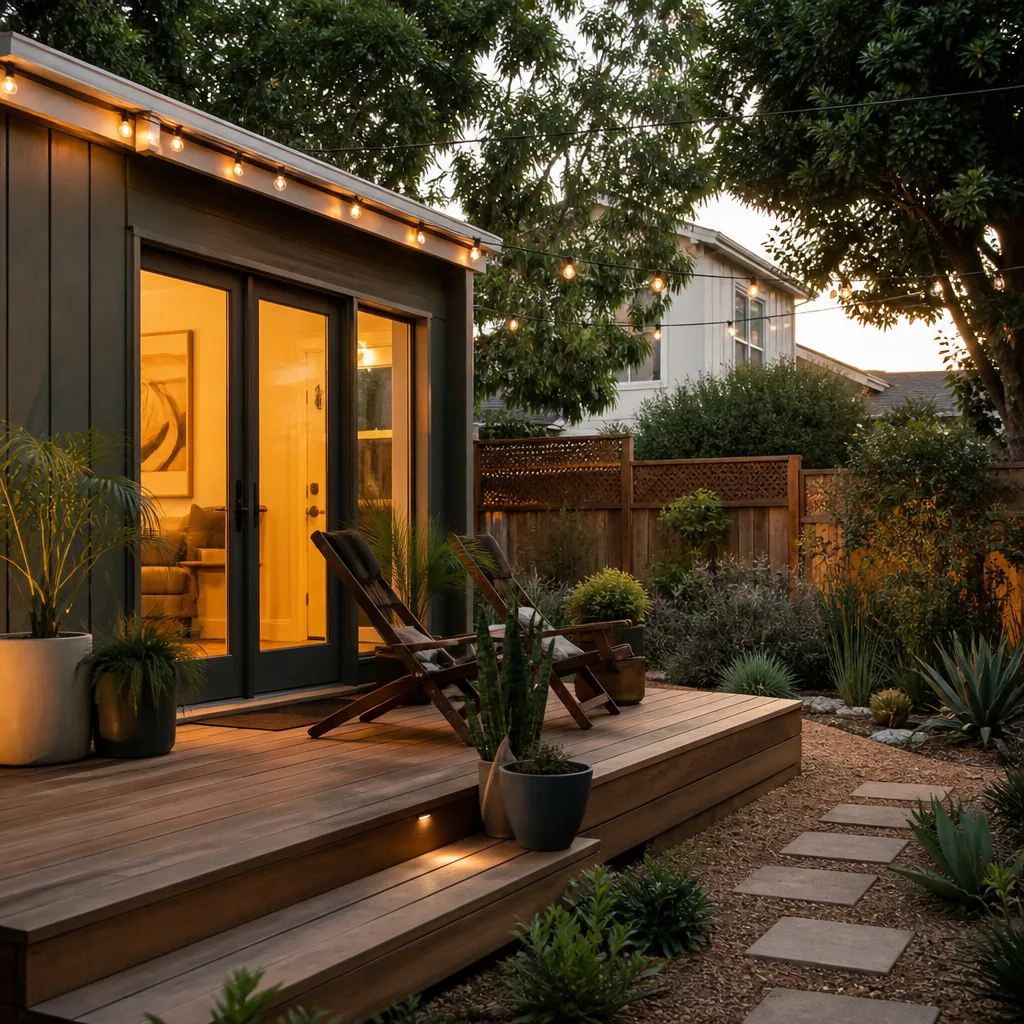
Why Attached Is Different From Detached
If you are choosing between converting your attached garage and building a detached ADU in the backyard, the differences come down to three things: fire separation, utility connections, and parking replacement. Attached conversions share a wall with the main house, so Long Beach building code requires a one-hour fire-rated assembly between the new living space and the rest of the home, including the ceiling if there is a bedroom above the garage. That means double-layer drywall on specific walls, fire-rated doors, and often upgrading the garage-to-house door to a solid-core, self-closing unit. We handle all of that in the scope of work, and we explain it plainly in the written estimate, so there is no surprise line item later.
Utility connections are the second difference. An attached garage usually sits 20 to 40 feet from the main electrical panel, which is a very manageable distance for a subpanel installation. Detached ADUs often need a new service drop or a long trench through the yard, which adds $8,000 to $15,000 in some cases. The flip side is that attached conversions share a wall with your living space, which means noise transfer matters. We use specific sound-isolation details, resilient channel on the shared ceiling assemblies and mineral wool insulation in the shared wall, that we have been refining since our earliest Long Beach projects.
The third difference is parking. Long Beach, like most California cities, allows a garage conversion even if you lose covered parking, but you may need to provide uncovered parking spaces in the driveway or on the street, depending on your lot configuration and the city’s current ADU parking requirements in Long Beach. We handle that analysis during the estimate visit and tell you exactly what the city will require before you commit to anything.
Our Attached Garage Conversion Process
Here is how we work, step by step, so you know what to expect from the first phone call to the final walkthrough. Every step is covered by the Threshold Standard, which is our company-wide system for written pricing and verified crews.
- Phone consultation and site visit. You call (562) 317-7042 and talk to a live person. We ask about your goals for the space, your timeline, and your budget range, then schedule a site visit. Before that visit, we send you the name and photo of the project lead who will be at your door. They arrive in a marked uniform and show a photo ID badge. No one ever shows up unannounced.
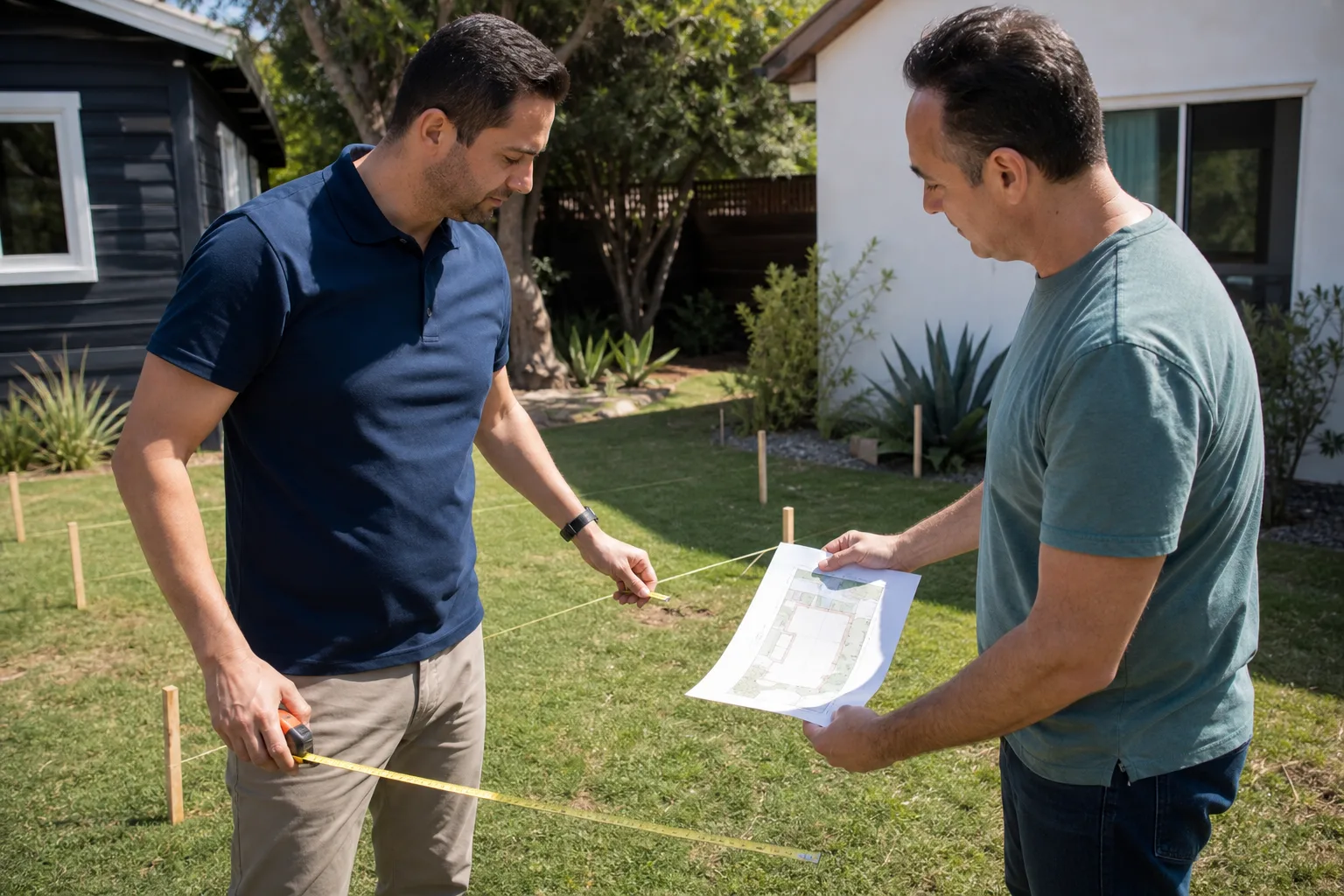
- Field measurements and feasibility review. We measure the garage, check the slab condition, map the existing electrical panel capacity, and look at the shared wall and ceiling structure. We also walk the property line setbacks and check the city’s zoning for your address. This is when we identify potential cost drivers, like a slab that needs leveling or a panel that is already maxed out.
- Written price, delivered before any work starts. You receive a written estimate that breaks down the full scope of work: demolition, slab repair, framing, electrical, plumbing, insulation, drywall, finishes, and the fire-rated assembly work. The price is fixed for the scope described. If the city requires something additional during plan check, we tell you the cost before proceeding, not after. This is the no-surprise-invoice standard, and it is stamped on every estimate.
- Permitting and plan submittal. We prepare the architectural drawings, structural calculations, and Title 24 energy documents, and we submit them to the City of Long Beach. Most attached garage conversion permits clear in 4 to 8 weeks, depending on plan check volume. We handle all correspondence with the building department, including resubmittals if the plan checker asks for changes.
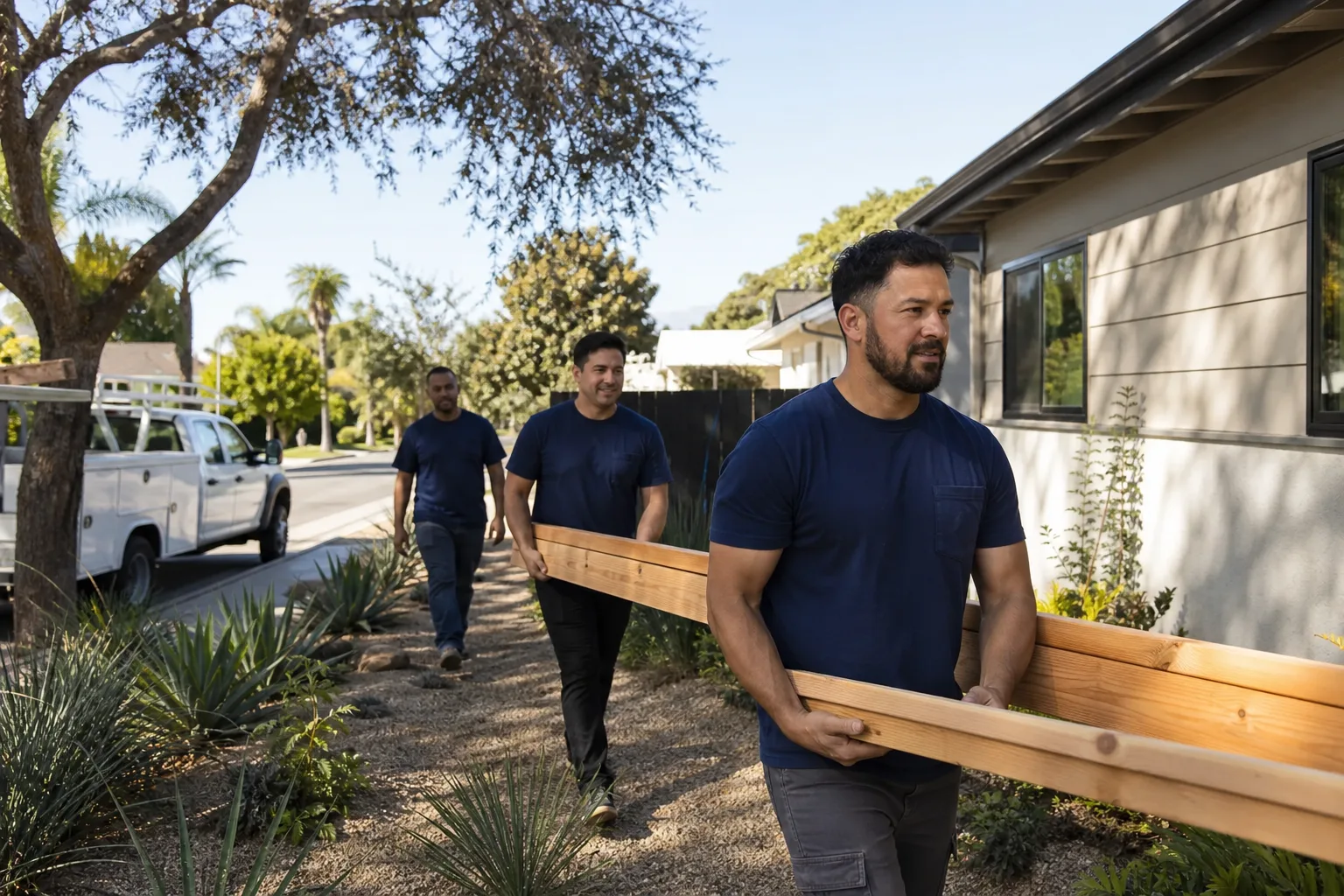
- Construction and weekly walkthroughs. Build-out typically takes 6 to 10 weeks after permit issuance. Your project lead walks the job with you every week, shows you the progress against the written scope, and answers questions in plain English. Our crews work under the Threshold Verified standard, meaning every person on the job has been background-checked and identity-verified. You will know their names and faces before they arrive.
- Final inspection and the 365-Day Done Right Promise. We complete the city’s final inspection, hand you the close-out documents, and walk the finished space with you room by room. Then the 365-Day Done Right Promise starts. If any element of our workmanship fails within one full calendar year, we come back and make it right at no charge. That is a written guarantee, not a verbal assurance.
Attached Garage Conversion Pricing in Long Beach
Attached garage conversion costs in Long Beach currently run from $85,000 to $145,000 for a complete studio conversion with a bathroom and kitchenette, and from $60,000 to $90,000 for a simpler conversion without plumbing, like a home office or second living room. The two factors that move your project within that range are mechanical scope and structural condition. A conversion that ties into an existing bathroom and requires no new plumbing branch stays at the low end. A conversion that needs a new sewer line connection, a relocated water heater, and a full bathroom build-out lands at the high end.
Here is a realistic breakdown of the line items for a typical 400-square-foot attached garage conversion in Long Beach, including a new bathroom and a kitchenette:
- Demolition and debris removal: $4,000 to $7,000. This includes removing the garage door completely, which is required because you cannot keep a functioning garage door on a converted living space under Long Beach code.
- Slab work and moisture barrier: $6,000 to $14,000. This covers leveling, crack repair, epoxy or poly moisture barrier, and blocking for plumbing if needed. Slabs in older Long Beach homes often need more work than homeowners expect.
- Framing and structural upgrades: $10,000 to $18,000. This includes infill framing for the former garage door opening, any header work, and structural shear upgrades if the building department requires them.
- Electrical including subpanel: $9,000 to $16,000. The subpanel, branch circuits, lighting, outlets, and required AFCI breakers. If your main panel is full, adding a new panel or a service upgrade can add $3,000 to $8,000.
- Plumbing for bathroom and kitchenette: $12,000 to $22,000. This is the single largest variable. The closer your existing waste line is to the garage, the lower this number.
- Insulation, drywall, and fire-rated assembly: $8,000 to $14,000. Mineral wool or fiberglass batts, 5/8-inch Type X drywall on the rated walls and ceiling, and sound isolation details.
- Windows and exterior door: $5,000 to $9,000. You will need egress windows in any bedroom space, and a proper exterior entry door replaces the garage door. We often use James Hardie trim and siding detail around the former door opening to match the existing house.
- Finish work: $8,000 to $14,000. Flooring, paint, trim, bathroom tile, fixtures, and a mini-split HVAC unit for heating and cooling.
These are real numbers from our Long Beach projects, not national averages you see on generic contractor sites. Your price will depend on your specific garage, your lot, and what you want the space to become. Call us at (562) 317-7042 and we will give you a written estimate after one site visit, free of charge. You will know your number before you decide anything.
What Affects the Cost of an Attached Garage Conversion
Beyond the basic scope decisions, several Long Beach-specific factors move the price up or down:
- Year your home was built. Homes built before 1978 may have lead paint on the garage walls or ceiling, which triggers specific containment requirements during demolition. Homes from the 1940s and 1950s in Long Beach often have garage slabs that were poured without modern moisture barriers, which means we need to install one during conversion to prevent floor finish failures later.
- Shared wall condition. If the wall between the garage and house has any termite damage, water staining, or missing fire-blocking, the repair scope increases. We see termite activity regularly in the older neighborhoods, and we always check the shared wall framing during the feasibility visit.
- Panel location and capacity. An attached garage conversion needs a subpanel. If your main panel is on the opposite side of the house, the feeder run gets longer and the cost climbs. If your panel is 100 amps and heavily loaded, you may need a 200-amp service upgrade, which adds real money.
- Bathroom location relative to sewer. The cheapest conversions put the bathroom on the wall closest to the existing main drain line. Every foot of additional waste-pipe run adds cost, and if the garage slab sits below the main line elevation, we need a pump system.
- Ceiling height. Long Beach code requires a minimum 7-foot ceiling in habitable rooms. Many older garages are right at that threshold or slightly below. If you need to raise the ceiling, which some homeowners choose anyway to make the space feel larger, that is a structural change that adds $8,000 to $15,000.
Common Design Paths for Long Beach Attached Conversions
The most popular configurations we build in Long Beach are the studio apartment, the primary bedroom suite, and the two-window home office. Each one drives a different set of decisions about the entrance, the bathroom size, and how the space connects to the main house.
The studio apartment works best for homeowners who want a rental unit. It gets its own exterior entrance, typically where the garage door used to be on a front-loading garage or on the side wall for an alley-loaded garage. The studio includes a full bathroom, a compact kitchen with a two-burner cooktop and a small refrigerator, and a sleeping area that doubles as the living room. These conversions rent for $1,400 to $1,900 per month in Long Beach depending on the neighborhood, condition, and whether parking is included.
The primary bedroom suite works for homeowners who want to age in place or simply upgrade from a small upstairs bedroom. This conversion often connects directly to the main house through the existing door between the garage and the interior, while also getting a separate exterior door for fresh air and access to the yard. The bathroom is usually larger in this scenario, often with a walk-in shower, and we add more windows because these rooms tend to sit on the darker side of the house.
The home office is the most cost-effective conversion. No bathroom, no kitchen, no plumbing. We focus on insulation, soundproofing, lighting, and a dedicated electrical subpanel so your office equipment runs without tripping breakers. These conversions can run as low as $60,000 when the garage is in decent structural shape, and they are increasingly popular with Long Beach homeowners who work remotely for employers in Los Angeles or Orange County.
Permitting and Code Requirements for Attached Conversions in Long Beach
Every attached garage conversion in Long Beach requires a building permit, and most also require a change-of-use approval because you are converting a non-habitable space into habitable space. The city treats this differently than a detached ADU in one important way: because the garage shares a wall with the main house, the fire separation requirements are more prescriptive. You cannot skip the fire-rated assembly, and the building inspector will verify it during the framing inspection before drywall goes up.
The specific requirements we handle on every Long Beach attached conversion include:
- One-hour fire-rated separation between the new living space and the rest of the house, including any shared ceiling assembly.
- Egress window in any room designated as a bedroom, with specific minimum dimensions that vary by the room’s square footage.
- Ceiling height of at least 7 feet in all habitable rooms, measured from the finished floor to the lowest point of the ceiling.
- Moisture barrier under the new floor to prevent slab moisture from damaging flooring and creating mold conditions.
- Title 24 energy compliance covering insulation levels, window performance, and HVAC efficiency.
- Smoke and carbon monoxide alarms in the new space, interconnected with the existing house system.
We also work with homeowners who are considering prefab or modular components for their attached conversion. Products from Plant Prefab and Abodu are more commonly used for detached ADUs, but some of their wall and utility-core components can be adapted into an attached conversion, particularly for the bathroom module. We are honest about when a prefab approach saves money on an attached job, which is less often than people expect, and when conventional framing is the better call. We also use James Hardie siding products on the exterior work around the former garage door opening, because they hold up well to the coastal humidity and the salt air in neighborhoods closer to the water.
For homeowners considering a more budget-conscious approach using a Tuff Shed-style structure, we explain the difference clearly: those units work for detached backyard studios and offices, but an attached conversion requires full code compliance as habitable space, which means a Tuff Shed shell will not meet the structural and fire requirements. We will tell you this before you spend money on a shell that does not pencil out.
Rental Income Potential for Long Beach Attached ADUs
An attached garage conversion that functions as a junior ADU or a full ADU in Long Beach can generate meaningful rental income. Current market rents for a 400-square-foot studio ADU in good condition run $1,400 to $1,900 per month in most Long Beach neighborhoods, with higher numbers closer to Belmont Shore, Naples, and the Marina area. That puts the payback period on a $120,000 conversion at roughly 5 to 7 years, before considering the added property value.
Appraisal data from Long Beach transactions shows that a permitted attached ADU typically adds $80,000 to $140,000 in resale value, depending on the finish level and whether the unit has its own separate entrance. The key word there is permitted. An unpermitted conversion may generate some rent, but it will not be counted in an appraisal, and it can complicate a future sale. We only build permitted conversions, and the final sign-off from the city is part of the written scope on every project.
The Sutton Difference on Attached Conversions
Most homeowners we talk to have heard construction horror stories: the crew that never showed up, the price that doubled mid-project, the contractor who stopped answering calls. Attached conversions are intimate projects. The crew works inside the footprint of your home, often while your family is still living there. That makes trust more than a nice-to-have. It is the whole job.
This is why we built the Threshold Standard the way we did. Every Sutton ADU Long Beach project starts with a written price that covers the full scope before any work begins. You receive the name and photo of your project lead before the first visit. Every technician on your job is background-checked and identity-verified, and they arrive in a marked uniform with a photo ID badge. When someone is at your door, you know exactly who they are and why they are there. For homeowners who are home alone during the day, parents with young children, and older homeowners who have dealt with too many anonymous crews, that standard is the reason they choose us.
The 365-Day Done Right Promise covers defects in workmanship for one full calendar year from project completion. If something is not right, we make it right, at no charge, no haggling. And if a repair or build element fails, the free second visit is part of the written agreement. These are not marketing phrases. They are written terms on every contract we issue.
Miles Hartwell, the owner at Sutton ADU Long Beach, has been building and converting residential spaces in Southern California since before the 2008 downturn, through the ADU law changes in 2017 and 2020, and into the current prefab and panelized era. He will be the one walking your property during the estimate, and he is the one whose name is on the 365-Day Done Right Promise.
Key Takeaways
- Attached garage conversions in Long Beach typically cost $85,000 to $145,000 for a full studio with bathroom, and $60,000 to $90,000 for a simpler office conversion without plumbing.
- Permitting takes 4 to 8 weeks, construction takes 6 to 10 weeks, and the full project usually runs 10 to 14 weeks from start to final inspection.
- The biggest cost variables are bathroom location relative to the sewer line, slab condition, and whether your electrical panel needs a service upgrade.
- Long Beach requires a one-hour fire-rated assembly between an attached conversion and the main house, which affects framing, drywall, and door specifications.
- Every Sutton ADU Long Beach project includes a written price before work starts and a 365-Day Done Right Promise covering workmanship for a full year.
- You will know the name and see the photo of every technician before they arrive, under the Threshold Verified standard.
FAQs – Attached Garage Conversion
How much does an attached garage conversion cost in Long Beach?
An attached garage conversion in Long Beach typically costs $85,000 to $145,000 for a complete studio with a bathroom and kitchenette, and $60,000 to $90,000 for a simpler conversion without plumbing. The biggest cost drivers are the bathroom location, the condition of the existing slab, and whether your electrical panel needs upgrading. Call (562) 317-7042 for a free written estimate based on a site visit to your specific property.
Is it cheaper to convert an attached garage or build a detached ADU in Long Beach?
Converting an attached garage is almost always cheaper than building a detached ADU, because the foundation and the roof structure already exist and utility connections are typically shorter. A detached ADU of similar size usually runs $150,000 to $300,000 before site work, while an attached conversion runs $85,000 to $145,000. We will walk you through the exact comparison for your lot during the free estimate.
Can I convert my attached garage into a rental unit in Long Beach?
Yes, you can convert an attached garage into a rental ADU or junior ADU in Long Beach, as long as the conversion is permitted and meets all building code requirements, including fire separation, egress, and Title 24 energy standards. Rental income for a 400-square-foot unit in Long Beach currently runs $1,400 to $1,900 per month. Call us at (562) 317-7042 to discuss whether your specific garage can support a rental unit.
Do I need a permit to convert my attached garage in Long Beach?
Yes, every attached garage conversion in Long Beach requires a building permit and a change-of-use approval, and the city inspects the fire-rated assembly, egress windows, and mechanical work during construction. Unpermitted conversions can become a problem during a future sale or refinance, because appraisers will not count the space as living area. Sutton ADU Long Beach handles all permitting as part of the written scope.
How long does an attached garage conversion take in Long Beach?
An attached garage conversion in Long Beach typically takes 10 to 14 weeks from the first permit submittal to final inspection, with 4 to 8 weeks for plan check and 6 to 10 weeks for construction. The timeline can stretch if the building department requires structural upgrades or if you choose finishes with long lead times. Call (562) 317-7042 to get a realistic schedule for your project.
Contact Sutton ADU Long Beach
If you are thinking about converting your attached garage in Long Beach, call us at (562) 317-7042 for a free, no-pressure estimate. We will walk the space, talk through your goals, look at the slab and the panel, and give you a written price before you commit to anything. A live person answers the phone 24 hours a day, 7 days a week, no voicemail trees and no callback queues. You will know who is coming to your property before they arrive, and you will know exactly what the project costs before it starts. That is how we have been doing it home to home in Long Beach since 2006.
Written by Miles Hartwell, Owner at Sutton ADU Long Beach, serving Long Beach.