Why Long Beach Homeowners Choose Cover ADU
We’re Sutton ADU Long Beach, an independent Cover service in Long Beach, CA. We service and install Cover S1, S2, and S3 panelized steel-frame ADUs across the city, from Belmont Shore to Rose Park, without any manufacturer affiliation. What sets our Cover work apart is pretty simple: we know the specific ways these steel-frame units behave in Long Beach’s salt air, marine layer, and seismic activity, and we write you a fixed price before any work starts. Call (562) 317-7042 if your Cover unit is showing signs of trouble, or if you’re planning an install and want a straight answer about what it’ll cost.
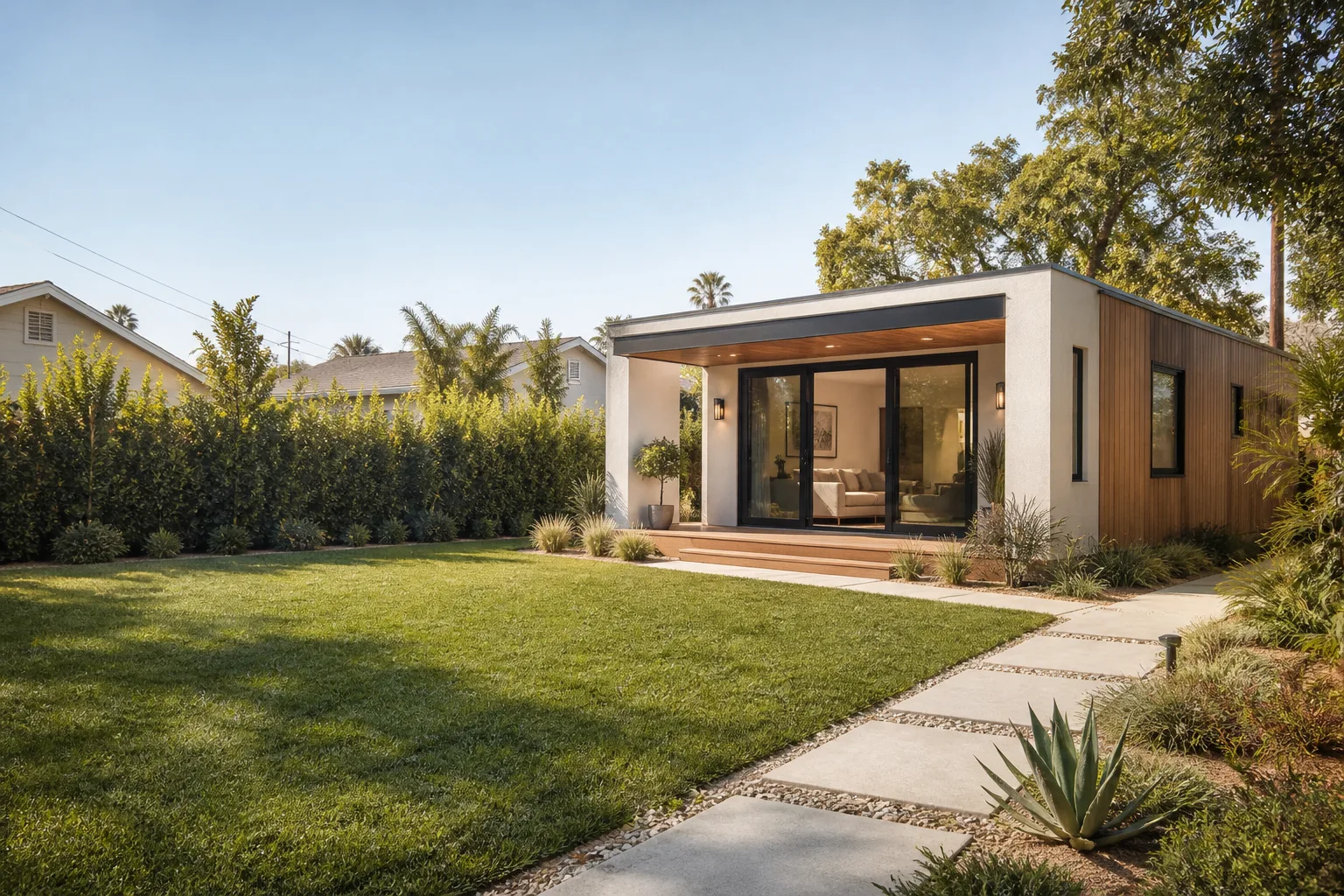
Cover makes a genuinely interesting product. The panelized steel frame goes together fast, the modules arrive pre-engineered, and the whole system is designed to meet California’s strict energy codes. But here’s what the manufacturer’s brochure won’t tell you: a steel frame in a coastal climate like Long Beach behaves differently than one in Phoenix or Austin. The marine layer pushes moisture into places it shouldn’t go. Salt air finds its way onto fasteners and connection clips. And the ground in much of Long Beach shifts more than people expect. Our job is to make sure your Cover ADU holds up to all of that. We’ve spent years working on these units in this specific city, and we’ve learned where they quietly go wrong.
We’re not an authorized Cover dealer, and we won’t pretend to be. What we are is a crew that has taken apart, repaired, and reinstalled enough Cover panels to know the product inside and out. Miles Hartwell, who runs Sutton ADU Long Beach, has been working ADU-specific construction in Long Beach long enough to spot the difference between a cosmetic issue and a structural one before it becomes expensive. That’s the expertise you’re paying for when you call us.
Why Trust Sutton ADU Long Beach for Your Cover ADU?
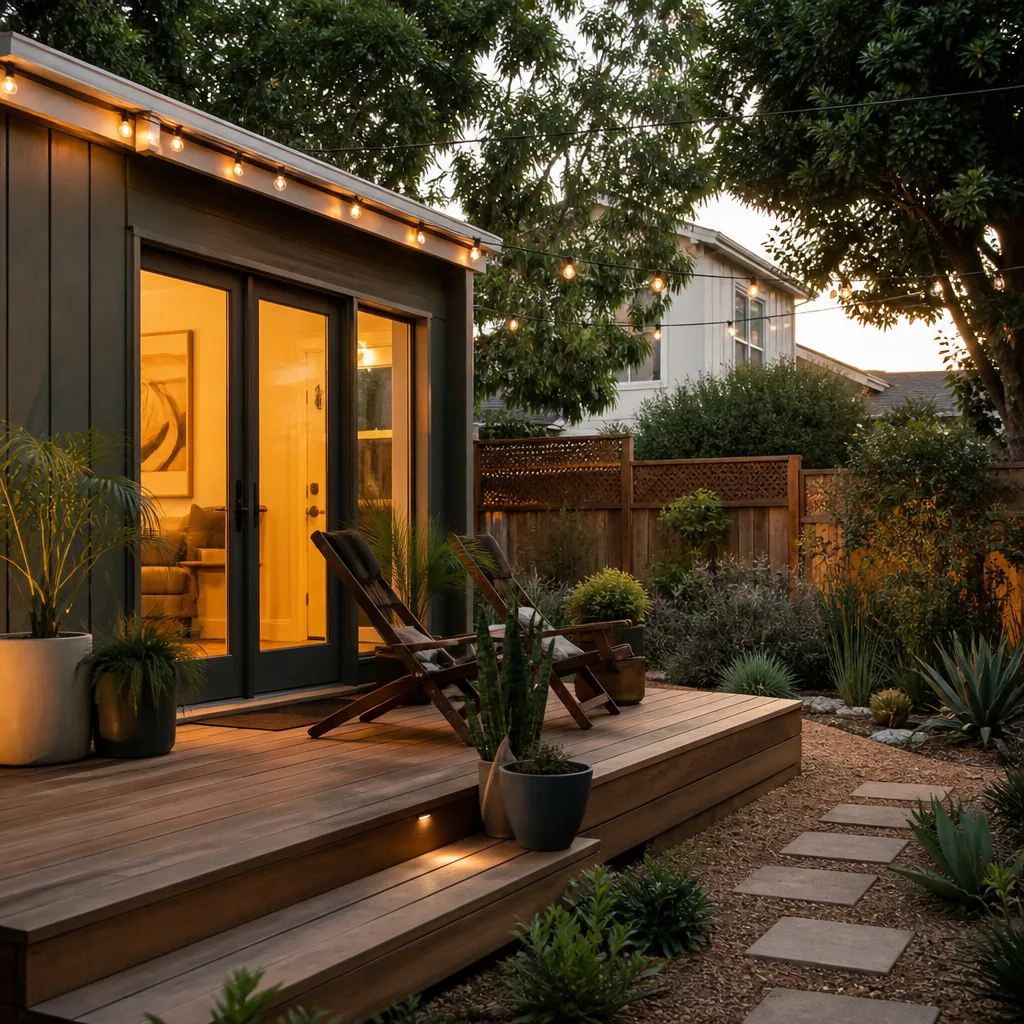
A Cover ADU is not a typical stick-built structure. The steel frame panels are engineered for precision, which means they also need precision when they’re serviced. A generic handyman might recognize a loose panel, but they won’t understand why the panel is loose, or whether the thermal break behind it has compressed, or whether that hairline gap in the roof seam is letting marine-layer moisture into the wall cavity. Our crew does. We’ve been working exclusively on ADUs for years, with heavy exposure to Cover’s S1, S2, and S3 product lines, and we approach every repair with an understanding of how the panel system functions as a whole, not just which screw to tighten.
Here’s what you get with us, on every Cover job:
- Written price before work starts. We don’t give verbal ballparks. You get a line-item written estimate, and that’s the number you pay unless you ask us to add scope.
- The 365-Day Done Right Promise. Our workmanship warranty covers defects for one full calendar year from project completion. If something we did isn’t right, we come back and fix it. No haggling, no fee for the second visit.
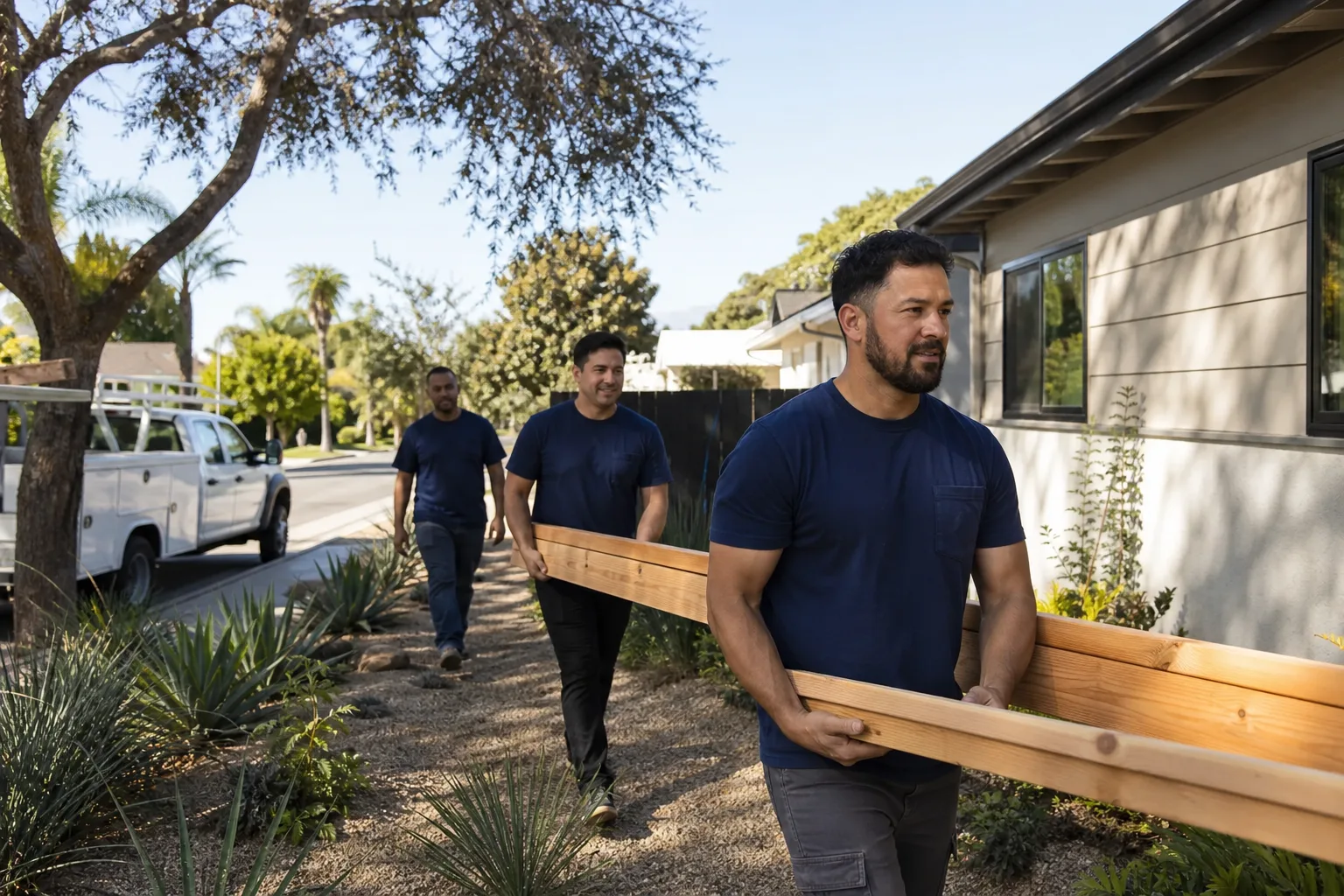
- Threshold Verified crew standards. Every technician who shows up at your Long Beach property has been background-checked and identity-verified. We send you their name and photo before they arrive. They wear a marked uniform and show a photo ID badge at the door. You’ll never open the door to a stranger on our jobs.
- OEM-specified parts where they matter. For structural fasteners, panel gaskets, and thermal-break components, we use Cover-specified materials. For non-structural finishes, we’ll use compatibility-matched aftermarket components when they perform as well or better at a fairer price. We’ll tell you which is which and why.
Miles Hartwell grew up in Los Angeles and picked up his first trade skills through carpentry and construction technology courses at Los Angeles Trade-Technical College. Before he ever touched an ADU, he worked through every phase of residential building, which is why he can talk foundations, electrical, and framing all in the same conversation. He’s been active in Long Beach for years, with a significant share of that work in neighborhoods like Belmont Shore, where older lots and tight setbacks punish imprecise planning. He’ll tell you that Cover ADUs are excellent products, but they demand respect for the details, especially when the ocean air gets involved.
Common Cover ADU Problems We Fix in Long Beach
Cover ADUs fail in predictable ways in this climate. Here are the issues we see most often across Long Beach, and why they happen:
- Roof panel seam leaks from marine-layer moisture. Cover’s roof panels are sealed at the factory, but the seals are only as good as the installation. When seams aren’t compressed properly during assembly, or when the gaskets degrade faster due to Long Beach’s persistent coastal fog and salt exposure, water finds its way in. The first sign is usually a faint water stain on the ceiling interior, or a musty smell that won’t clear. We pull the affected seam, inspect the panel edges for corrosion, replace the gaskets with Cover-specified material, and re-seal. If the steel itself has corroded, that’s a panel replacement conversation.
- Interior condensation on north-facing walls. This is one of the most common Cover complaints in Long Beach, and it’s almost never a “leak.” Steel frame connection clips transfer cold from outside to inside, and without proper thermal breaks, interior surfaces can drop below dew point during foggy mornings. That shows up as condensation, and eventually mold or peeling paint. The fix is installing insulating standoffs at connection points and checking that seam gaskets aren’t compressed beyond spec. We’ve done this exact repair on Cover S2 units in Belmont Heights, and the difference in indoor comfort is immediate.
- Wall cassette deflection after minor seismic events. Long Beach sits in a seismic zone, and while a Cover ADU won’t fall over in a small quake, the prefabricated wall cassettes can shift or deflect slightly, which throws door and window frames out of square. You’ll notice a door that sticks, or a window that won’t latch. We realign the cassettes, re-torque the structural fasteners to spec, and if needed, add supplemental anchoring. This isn’t a cosmetic fix; it’s a structural correction that should be done by someone who understands panelized systems.
- Utility chase leaks at the slab connection. Cover pre-routes electrical and plumbing through factory-installed chases, but those chases still need to be anchored to the site’s concrete work properly. When the anchoring is inadequate, sewer and supply lines can move subtly with ground settling, especially in Long Beach’s flat, sandy soil. The result is a slow leak that goes unnoticed for months. We find it by pressure-testing the lines and inspecting the chase connections, then re-anchor and seal everything at the slab.
- Corrosion at exterior fasteners and metal trim. Salt air is relentless. We see fastener heads rusting and trim showing pitting on Cover units that are only a few years old if they were installed with incompatible metals or without corrosion-resistant coatings. We replace with marine-grade or otherwise appropriately rated fasteners, treat existing corrosion, and recommend a maintenance schedule so the problem doesn’t come back.
Cover Parts & Our Repair-vs-Replace Approach
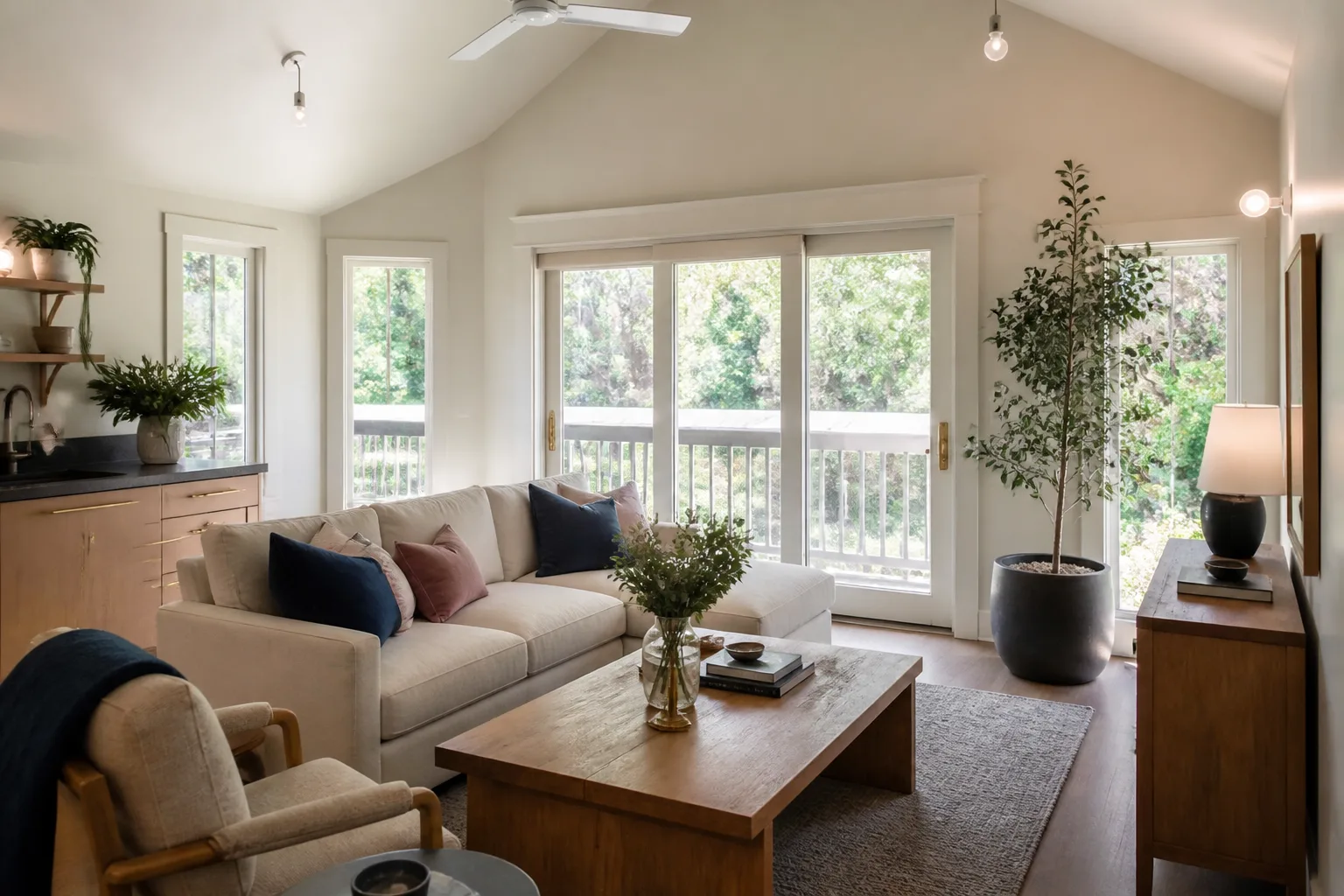
We take a straightforward position on parts. For anything structural, thermal, or seal-related, we use Cover-specified panel gaskets, structural fasteners, and insulating components. These are not areas where saving a few dollars on an aftermarket bolt makes sense. For non-structural finishes, interior trim, and some hardware, we’ll use compatibility-matched aftermarket parts when they meet or beat OEM quality at a better price. We’ll line out exactly what we’re using on your written estimate, and we’ll explain why we chose it. Nothing hidden.
On the repair-versus-replace question: we repair panels and reseal joints whenever the steel frame and insulation are still sound. If a panel is corroded through, severely deformed from an impact or a quake, or has compromised structural integrity, we’ll recommend replacement, and we’ll show you the evidence before you spend the money. Our bias is toward fixing what can be fixed. Panels are expensive, and we won’t push replacement because it’s a bigger invoice. Call (562) 317-7042 anytime for a straight read on what you’re actually looking at.
Our Cover Service Process – Step by Step
- 1
Diagnosis and written scope. We inspect the unit, identify what’s failing and why, and document it. You get a written, line-item price covering materials and labor before you agree to anything. No open-ended time-and-materials surprises.
- 2
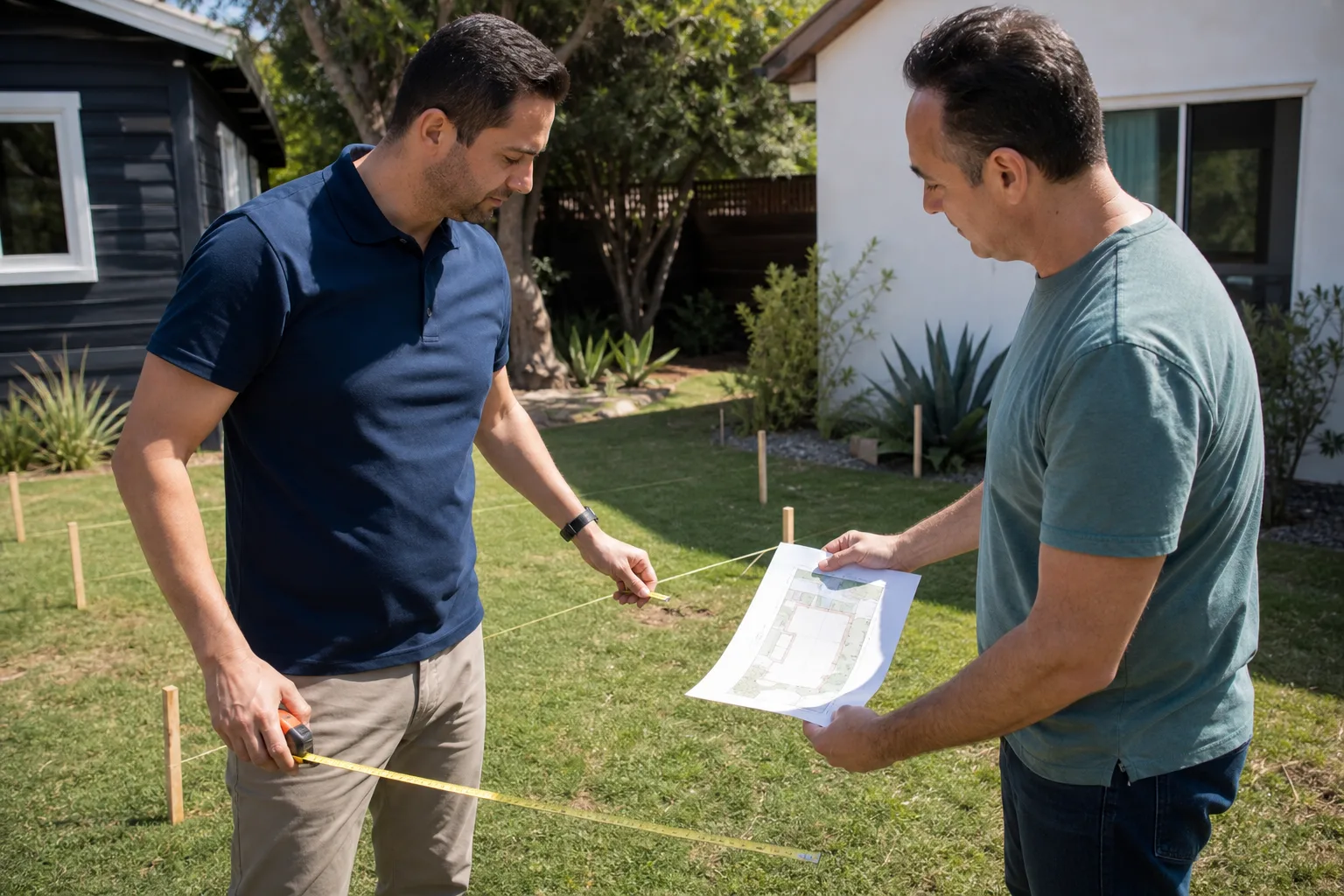
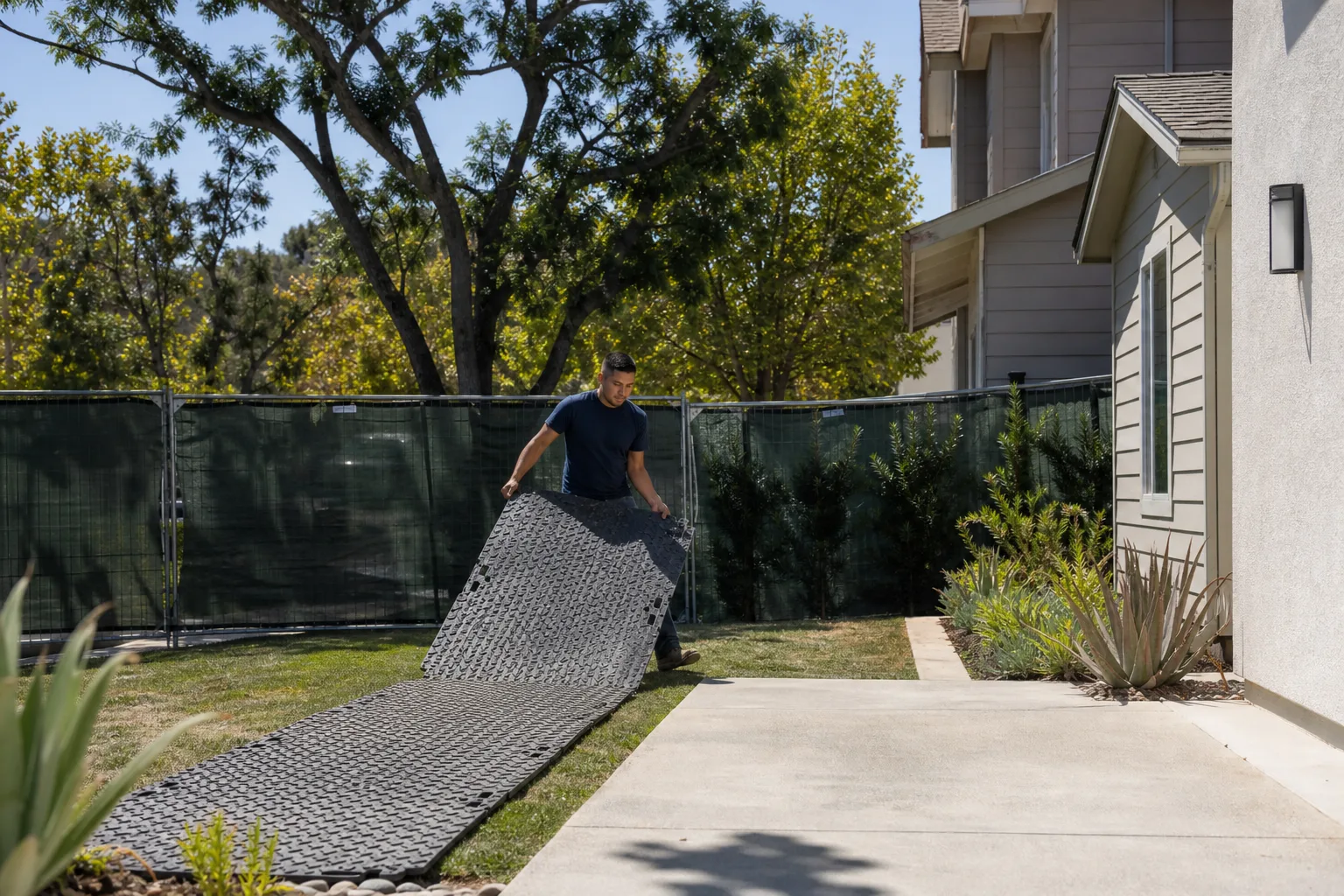
Repair or install. For repairs, we address the root cause, not just the symptom. For installs, we handle prefab ADU installation, foundation and grading, and Title 24 energy compliance as a single coordinated scope. Our crew works clean, and we stage materials so your property isn’t a mess for weeks.
- 3
Testing and verification. We pressure-test plumbing, confirm electrical continuity, check panel alignment, and verify that doors and windows operate correctly. On energy-compliance work, we confirm the thermal breaks and seals are in place and functioning before we call the job done.
- 4
Warranty and documentation. Every job carries our 365-Day Done Right Promise. You get a written record of what we did, what parts we used, and what the warranty covers. If something isn’t right within a year, we come back. No charge, no argument.
Cover Products We Service & Install in Long Beach
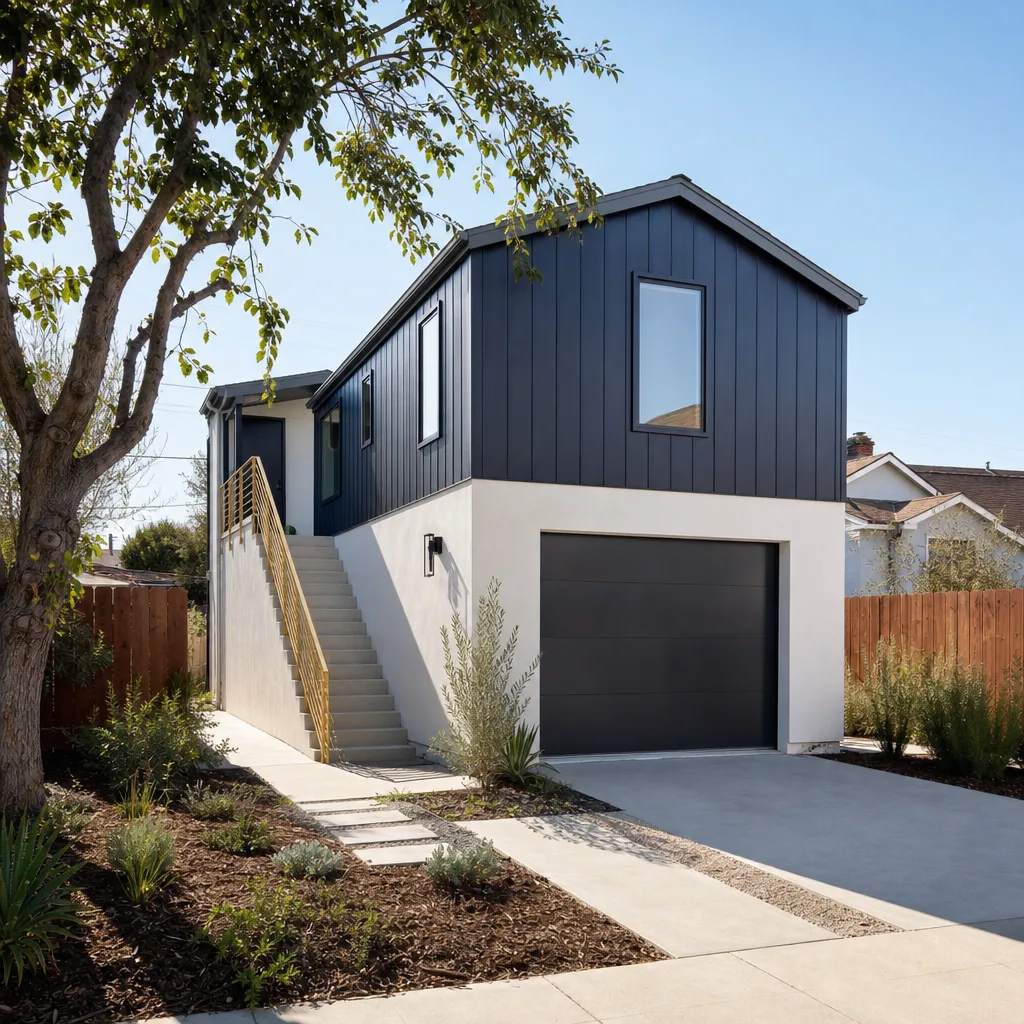
We work on all three Cover product lines:
- Cover S1 – the entry-level studio and one-bedroom configuration. We see these most often as backyard rentals on deep lots in central Long Beach.
- Cover S2 – the mid-size unit, typically one to two bedrooms. Popular in Belmont Shore and Belmont Heights, where the lot dimensions favor a well-proportioned second unit.
- Cover S3 – the largest product line, designed for larger families or multi-generational living. These require more careful foundation work, especially in Long Beach’s high-water-table areas.
For service work, we keep Cover-specified seam gaskets, thermal-break components, structural fasteners, and common trim hardware locally stocked so we’re not waiting on a parts shipment to fix a roof leak. For installs, we coordinate directly with your Cover delivery schedule and handle the site prep, foundation, utility connections, and Title 24 compliance so the unit is actually habitable on day one, not just assembled.
We Also Service These Brands
While this page is focused on Cover, our Long Beach crew also services and installs Abodu and Dvele ADUs, along with our Home Addition Contractor services and other panelized and prefab systems. If you own a different brand or you’re weighing Cover against another manufacturer, we can give you an honest comparison based on what we’ve seen in local installs, not a sales pitch.
FAQs – Cover ADU Service in Long Beach
Is Sutton ADU Long Beach authorized by Cover?
No, we are an independent Cover service provider in Long Beach. We are not affiliated with or authorized by Cover as a manufacturer. That independence matters because we’re free to tell you what your unit actually needs, not what the warranty department wants to hear. Our expertise comes from years of hands-on work with the S1, S2, and S3 product lines, not from a manufacturer training program.
Do you use genuine Cover/OEM parts?
For structural fasteners, panel gaskets, thermal-break components, and any part that affects the structural integrity or energy performance of the unit, we use Cover-specified or equivalent materials that meet the same engineering specs. For non-structural finishes and trim, we may recommend quality aftermarket parts when they perform equal to or better than OEM at a fairer price. You’ll see exactly what we’re using on your written estimate, with the reasons.
How long does Cover service take?
Most common repairs, such as resealing a roof panel seam or correcting thermal bridging, are completed in one to two visits. Larger corrections like realigning wall cassettes or re-anchoring utility chases can take several days depending on the scope. If you need a same-week assessment, call (562) 317-7042 and we’ll get you on the schedule. The diagnosis visit gives you a clear timeline before any work begins.
What Cover models/series do you cover?
We service and install the Cover S1, Cover S2, and Cover S3 across Long Beach. That includes factory-assembled panel systems, integrated utility chases, and the steel frame connection details specific to each series. If you’re not sure which series you have, we can identify it during the first visit.
Will service void my Cover warranty?
This depends on the specific terms of your Cover warranty and what kind of work is being done. As an independent provider, we can’t speak for Cover’s warranty department, but we document every repair with photos, part specifications, and written findings. We encourage you to check your warranty documentation before any third-party service. What we can tell you is that we follow manufacturer-specified torque settings, sealant types, and part numbers where they apply, so the work is done to the standard your unit was designed for. Know what you’re agreeing to before you pick up the pen.
How much does Cover ADU repair cost in Long Beach?
Repair costs vary widely depending on the failure. A simple roof seam reseal might run $600 to $1,400 including materials and the second visit if needed. A full wall-cassette realignment with supplemental anchoring could be $4,000 to $9,000 depending on how many panels are involved and whether we’re pulling interior finishes. Utility chase repairs at the slab run $2,500 to $6,000 once access, pressure testing, and re-anchoring are all accounted for. These are honest ranges for Long Beach, not quotes. Call (562) 317-7042 for an exact written estimate – the diagnosis is free, and you keep the written scope either way.
How do you handle the Cover ADU’s steel frame in Long Beach’s corrosive ocean air?
We inspect all exterior fasteners, steel connection points, and panel edges for corrosion, then we treat what’s treatable and replace what isn’t. For new installs near the coast, we recommend marine-grade fasteners and corrosion-resistant coatings at every exterior connection. In neighborhoods like Alamitos Beach and the Peninsula, the salt exposure is intense enough that this is not optional; it’s the difference between a unit that holds up and one that starts rusting within three years.
Can you correct a Cover ADU that was installed with misaligned wall cassettes after a minor seismic event?
Yes. We realign the cassettes, inspect the underlying connection plates and fasteners, and re-torque everything to the manufacturer’s structural specifications. If the anchoring itself was inadequate, we’ll supplement it before we close the wall back up. This is a structural repair, not a shim-and-caulk job. It needs to be done by someone who understands how panelized steel frames distribute load, otherwise the same misalignment will come back after the next small shake.
Do you need special training to service a Cover S3’s integrated electrical and plumbing chases?
Specialized training from Cover isn’t mandatory, but you do need real experience with prefabricated utility chases and how they connect to site-built systems. The S3’s chase routing is tight, and mistakes at the slab connection are expensive to fix later. Our crew has been through enough Cover installs and repairs in Long Beach to know the routing, the common failure points, and the right way to anchor and seal chases at the concrete. That’s the training that matters: having done it correctly, repeatedly, in this city’s specific soil and climate conditions.
How do you ensure Title 24 energy compliance when installing a Cover ADU in Long Beach?
Title 24 compliance for a Cover ADU comes down to the thermal envelope, the mechanical systems, and the lighting controls. We inspect and verify the panel joints, thermal breaks, and insulation continuity throughout the assembly. We confirm the mini-split system is sized and positioned correctly for the unit’s orientation and the coastal climate. And we check that the lighting and ventilation controls meet the specific requirements for ADUs in Long Beach. The mild coastal climate means you often don’t need air conditioning, but the envelope still has to be right or you’ll fight moisture and discomfort year-round.
What is the best foundation type for a Cover ADU in Long Beach’s flat, sandy soil?
In most of Long Beach, a reinforced concrete slab on grade is the standard and most cost-effective foundation for a Cover unit. The flat terrain works in your favor. But the high water table in parts of the city means the subgrade needs proper compaction and, in some areas, a capillary break to prevent moisture wicking up through the slab. We’ll assess your specific lot and soil conditions before recommending a foundation approach. This is one of the areas where a proper site evaluation saves you from problems you can’t see for five years.
Book Your Cover Service in Long Beach, CA
If you own a Cover ADU in Long Beach and you’re seeing leaks, condensation, sticking doors, or any other sign the unit needs attention, call (562) 317-7042. We’ll schedule a diagnosis, send you the name and photo of the technician before they arrive, and put your repair or install price in writing before any work starts. That’s the Sutton standard, and it applies to every job we do.
Written by Miles Hartwell, Owner at Sutton ADU Long Beach, serving Long Beach since 2006.